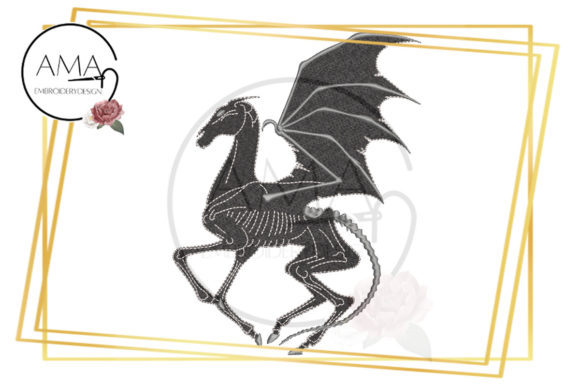
Black Winged Horse Embroidery Review
As an embroidery designer who spends weekends hunched over a sewing machine and another weekends setting up booths at local craft fairs, I have learned one hard truth: visual impact sells before quality does. Customers walking past a table see hundreds of items. To stop them in their tracks, you need a design that commands attention without overwhelming the eye. This is why I am reviewing the Black Winged Horse machine embroidery design for potential use in handmade market products. Created as part of an animal-inspired collection with a nod to the Fairy Tales category, this piece offers a unique blend of fantasy and elegance that could be a standout seller if executed correctly.
First Impressions: Bold Fantasy Meets Market Appeal
When I first loaded the Black Winged Horse embroidery file into my hoop, the immediate impression was one of dramatic contrast. The title suggests a dark, mysterious aesthetic, which aligns perfectly with current trends in boutique handmade goods. Unlike generic floral or farmhouse designs that clutter a booth, this design feels premium and intentional. It strikes a balance between being bold enough to catch the eye from ten feet away and detailed enough to invite customers to lean in closer.
The "animal-inspired" theme grounds the fantasy element, making it accessible rather than purely niche. For an Etsy seller or small shop owner, this versatility is crucial. It appeals not just to fairy tale enthusiasts but also to lovers of mythology, dark academia aesthetics, and modern fantasy decor. The design does not feel cute or overly soft; instead, it carries a weight and sophistication that elevates any finished product. It is decorative without being busy, making it an excellent candidate for high-value items like aprons, tote bags, and pillow covers.
Product Application: Where Does It Shine?
In my experience, the success of a craft fair product often depends on the canvas. A great design can fail on the wrong fabric. Here is how the Black Winged Horse design performs across various popular handmade product categories.
- Tote Bags and Market Bags: This is perhaps the strongest application. A black winged horse embroidered on a natural canvas tote creates a striking visual anchor. It transforms a simple utility item into a statement accessory. For digital sellers offering printable mockups, this combination photographs exceptionally well, conveying a sense of adventure and style.
- Apron Embroidery: Kitchen textiles are a staple at craft fairs. Placing this design on the chest pocket or centered on a white or cream apron allows the intricate details of the wings to breathe. It adds a touch of magic to everyday cooking, appealing to buyers who want their kitchen tools to reflect their personality.
- Tea Towel Embroidery: Similar to aprons, tea towels offer a large, flat surface area. However, caution is needed here. If the stitch density is too high, the towel may become stiff. When used correctly, however, it becomes a giftable handmade item that sits prominently on a kitchen counter, serving as mobile advertising for your brand.
- Embroidered Patches and Caps: For smaller items, the design needs to be scaled appropriately. On a cap, the curve of the brim can distort fine details. I recommend using this as a focal point on structured caps or as a detachable patch. The dark tones of the horse will pop against lighter colored hats, creating a cohesive look for your booth display.
- Pillow Covers and Home Decor: In the realm of home goods, this design fits the "dark academia" and mystical decor trends. It works beautifully on velvet or heavy cotton blends, adding texture and depth. These items command higher price points, allowing you to leverage the perceived value of a complex-looking design.
Production Practicality and Design Assets
From a production standpoint, efficiency is key to profitability. The fact that this digital embroidery file comes in multiple formats is a significant advantage. It ensures compatibility with various machine brands, reducing barriers for other designers who might want to license or collaborate. However, before committing to batch production, several practical checks are mandatory.
Stitch Density and Detail: Horse anatomy, especially when combined with feathered wings, requires careful attention to stitch direction. High stitch density can make fabrics pucker, particularly on lightweight materials like thin cotton tees or delicate linen. You must inspect the stitch density closely. If the wings contain tiny, isolated stitches, they may break during trimming or wear. Test the design on scrap fabric to ensure the thread colors hold their integrity and do not muddy together.
Hoop Size and Spacing: Confirm the recommended hoop size before starting. A design that is too large for a standard 5x7 hoop may require hooping the entire garment, which increases production time and risk of misalignment. For craft fair sellers, speed matters. Designs that are quick to hoop and embroider allow you to produce more inventory per hour. Ensure the spacing within the design allows for easy stabilizer removal and minimal trimming.
Fabric Texture Contrast: The visual appeal of the Black Winged Horse relies heavily on contrast. On textured towels or nubby weaves, fine details may get lost. Smooth fabrics like twill for caps or tightly woven canvas for totes will render the design crispest. Always compare fabric colors under the same lighting conditions you will use for your online listings. A design that looks sharp on a monitor may appear dull on a gray fabric in person.
Selling Strategy and Brand Consistency
For the craft fair seller, the Black Winged Horse design is more than just art; it is a tool for customer engagement. Its fantasy theme invites conversation. Buyers often ask about the inspiration behind such specific imagery, giving you a chance to connect and build brand loyalty. It positions your booth as curated and thoughtful, rather than a dump of generic goods.
When photographing these items for your Etsy listing or social media, the design’s strong lines and dark tones provide excellent contrast for photography. It stands out against neutral backgrounds, making your photos more clickable. As a small shop product, consistency is vital. Using this design across a range of items—matching a tote bag with a coordinating tea towel—creates a cohesive collection that encourages bundle purchases.
Essential Pre-Production Checklist
- Test on Scrap Fabric: Never run a new design directly onto finished merchandise. Use the exact fabric and stabilizer you plan to sell with to check for puckering or tension issues.
- Check Thread Colors: Ensure the thread palette provides enough contrast against your chosen fabric. Dark horses on dark fabric will disappear unless there is significant textural variation.
- Inspect Stitch Quality: Look for any areas where the design might be too dense or where threads might tangle. Trim test samples carefully to assess the final look.
- Create Real Mockups: Produce at least one physical sample. Take photos in natural light. Does it look premium? Does it hang well on a rack?
- Confirm Commercial Licensing: Before selling any finished product, verify the commercial rights of the embroidery file. Most digital assets require a separate license for commercial use, so do not skip this legal step.
Ultimately, the Black Winged Horse embroidery design offers a sophisticated, high-impact option for makers looking to elevate their craft fair offerings. By paying close attention to production details and selecting the right products to showcase its beauty, you can turn this fantasy motif into a best-selling staple for your handmade business.