Border Set Review: Practical Design Analysis for Real Projects
As a designer who spends more time troubleshooting stitch density than admiring finished products, I approach every new embroidery file with a healthy dose of skepticism. We have all seen the glossy previews that promise perfection but deliver tangled messes on actual fabric. That is why I take the time to evaluate a machine embroidery design like the Border Set not just as a visual asset, but as a functional tool for production. This review focuses on how this specific floral border performs in real-world scenarios, from custom apparel to high-volume small business merchandise.
First Impressions and Visual Personality
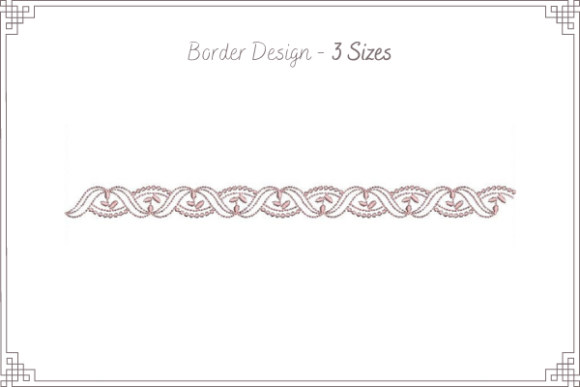
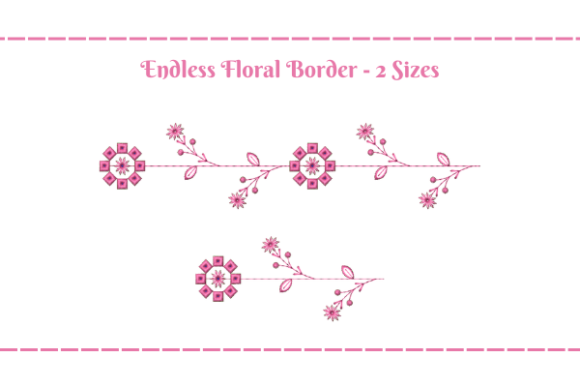
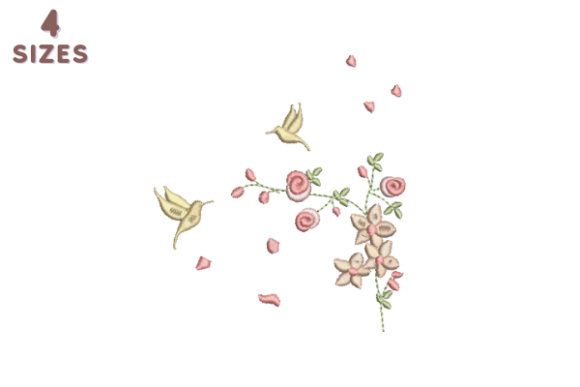
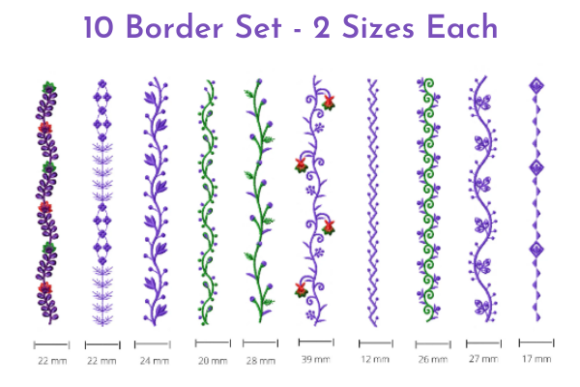
The moment you open the Border Set, the mood is immediately established. It is not an aggressive, loud graphic; rather, it feels curated and elegant. The floral theme suggests a softness that translates well into feminine fashion and home decor. For designers looking to add a touch of sophistication without overwhelming the base garment, this design offers a balanced visual weight. The layout is structured enough to provide clear boundaries but organic enough to feel handcrafted.
What stands out initially is the potential versatility. A floral border is rarely a one-trick pony. It can serve as a delicate hemline accent on a dress, a framing device for a nursery wall hanging, or a subtle branding element on a boutique tote bag. The aesthetic leans towards classic romance, which makes it highly marketable to customers who prefer timeless designs over fleeting trends. However, the success of this look depends entirely on execution, specifically how the individual elements are stitched.
Real-World Application Scenarios
To truly understand the value of the Border Set, we need to move beyond the screen and imagine it on various substrates. Let us look at a few practical use cases where this design shines.
Custom Apparel and Accessories
Imagine preparing a custom embroidered sweatshirt for a client who wants something unique but wearable. Placing the Border Set along the cuffs or the bottom hem creates a polished, ready-to-wear aesthetic. Unlike large center-chest graphics that can feel bulky, a border adds detail without adding excessive weight or stiffness to the fabric. Similarly, for a tote bag design, running the floral pattern along the top edge or down the side seams elevates a plain canvas bag into a premium accessory. The contrast between the sturdy canvas and the delicate floral stitches creates a tactile appeal that customers notice immediately.
Home Decor and Textiles
Home decor is another area where borders excel. Consider a set of linen tea towels or a cushion cover for a living room refresh. Here, the Border Set acts as a frame for the textile itself. When used on curtains or bedsheets, the repetitive nature of a border design ensures continuity across larger surfaces. The key here is scale; ensuring the border fits the proportions of the item prevents it from looking cramped or lost in the negative space.
Personalized Gifts and Baby Items
In the realm of personalized gifts, such as baby blankets or christening gowns, the soft floral motif resonates emotionally. Parents often seek items that feel gentle and nurturing. An embroidered patch or border on a baby onesie or a receiving blanket adds a layer of permanence and care that printed designs cannot match. The durability of machine embroidery means these keepsakes withstand frequent washing, making them ideal for holiday embroidery gifts or wedding favors.
Technical Performance and Stitch Quality
Visuals are only half the battle. As a reviewer, I must assess how the design behaves under the needle. The Border Set likely utilizes a combination of satin stitches for outlines and fill stitches for the floral petals. This mix is standard for quality designs, but it requires careful attention to stitch density.
If the fill stitches are too dense, the fabric may pucker, especially on lighter materials like silk or thin cotton. Conversely, if they are too sparse, the stabilizer might show through, ruining the clean finish. Designers should inspect the transition points between different stitch types. Smooth transitions indicate a well-digitized file, while abrupt changes can lead to thread breaks or tangling during production. Checking the design in black and white mockups can also help reveal whether the stitch direction creates unwanted shadows or highlights that detract from the floral shape.
Where to Use Border Set Carefully
No single design fits every situation. There are specific contexts where the Border Set requires caution or alternative approaches.
- Small Hoop Sizes: If your project involves tiny details or lettering alongside the border, ensure the total design size fits within your machine’s smallest hoop. Overcrowding can compromise clarity.
- Textured or Stretchy Fabrics: Knits, jerseys, and heavily textured weaves can distort straight lines and intricate floral curves. These fabrics require robust stabilizers and possibly a lower stitch density to prevent puckering.
- Dense Stitch Areas: Avoid placing heavy border sections on areas that will be folded or sewn into seams, as the bulk can cause discomfort or sewing machine needle breakage.
- Curved Surfaces: While borders work well on flat garments, applying them to curved surfaces like caps or sleeves requires precise placement and potentially manual adjustments to follow the contour.
- Frequent Washing: For items like aprons or kitchen towels that undergo rigorous laundering, ensure the thread colors are colorfast and the stitches are secure to maintain integrity over time.
Impact on Product Value and Brand Consistency
For Etsy sellers and small shop product creators, the perceived value of an item is directly tied to its presentation. A well-executed Border Set signals professionalism. It shows that attention was paid to detail, which builds customer trust. When buyers see consistent stitching, proper alignment, and thoughtful placement, they are more likely to view the item as a premium handmade good rather than a mass-produced commodity.
Furthermore, using a cohesive design language across multiple products—such as matching borders on pillows, towels, and bags—strengthens brand identity. It creates a recognizable aesthetic that customers associate with your specific style. This consistency is crucial for craft business growth, as it encourages repeat purchases and word-of-mouth referrals.
Practical Designer Notes for Implementation
Before committing to a full production run, I recommend following these steps to ensure the best outcome:
- Test on Scrap Fabric: Always stitch a sample on the exact fabric you plan to use. This reveals issues with tension, stabilizer choice, and color contrast that digital previews cannot show.
- Check Thread Color Contrast: Ensure the chosen thread colors pop against the background fabric. Low contrast can make intricate floral details disappear.
- Confirm Hoop Size: Verify that the design dimensions align with your available hoop sizes to avoid re-hooping or resizing errors.
- Inspect Small Details: Zoom in on the digital file to check for overly fine details that may not render clearly in thread.
- Review Licensing: If you intend to sell finished items or distribute the digital embroidery file, confirm the licensing terms. Commercial rights are essential for commercial embroidery projects.
- Use Proper Stabilizer: Match the stabilizer type (cut-away, tear-away, or wash-away) to the fabric weight and stretch to prevent distortion.
In conclusion, the Border Set is a versatile and aesthetically pleasing addition to any designer’s library. Its floral elegance suits a wide range of applications, from intimate personal gifts to professional boutique merchandise. By paying close attention to technical execution and fabric compatibility, designers can leverage this design to create high-quality, desirable products that stand out in a crowded market. It is a solid choice for anyone looking to add a refined, natural touch to their embroidery project repertoire.