Floral Cushion and Pillow Embroidery Review
As an embroidery designer who has spent years digitizing files for small businesses, I look at every design with one question in mind: Will this sell? It is not enough for a design to simply look pretty on a screen. For a small business owner, an Etsy seller, or a boutique brand, the true test of a machine embroidery design is its performance on actual merchandise. Today, I am reviewing the "Floral Cushion and Pillow" design. While the product category lists this under Bedroom, my focus here is strictly on its viability as commercial embroidery for branded goods, patches, and apparel.
First Impressions: Visual Personality and Brand Fit
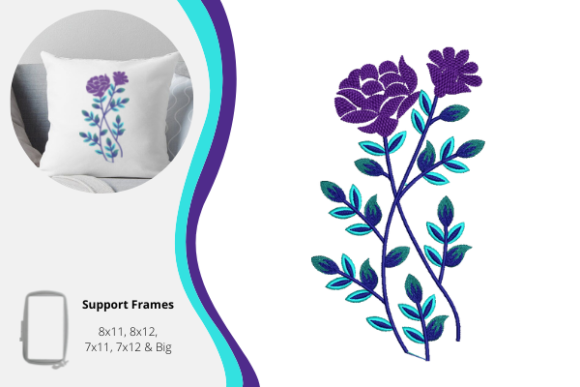
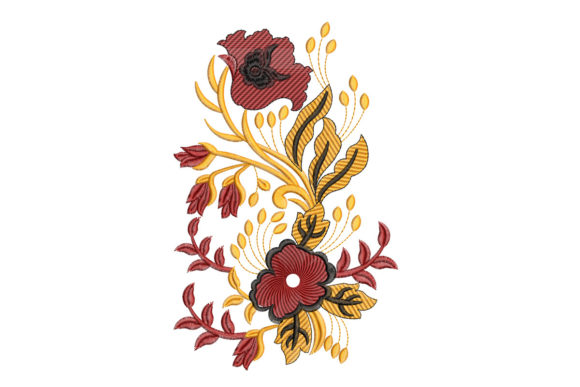
The title "Floral Cushion and Pillow" suggests a design that is soft, inviting, and tactile. When you think about the aesthetic of a floral cushion, you imagine comfort, warmth, and a touch of elegance. In the context of brand identity, this translates to a visual language that is friendly yet premium. It does not scream for attention like a bold graphic tee might; instead, it whispers quality. This makes it an excellent choice for brands that want to convey trust, care, and a handmade feel.
For a local café, a florist shop, or a handmade skincare brand, this design strikes the right balance. It feels professional without being corporate. It is decorative but not cluttered. The imagery aligns perfectly with industries that value aesthetics and customer comfort. If your brand is built on the idea of creating a cozy, welcoming environment, this embroidery file reinforces that message instantly. It signals to the customer that you pay attention to detail and quality, which is crucial for building long-term customer loyalty.
Real-World Business Applications
So, where does "Floral Cushion and Pillow" shine in a small business inventory? Let’s break down its potential across various product types.
- Embroidered Patches: This design is ideal for creating sew-on or iron-on patches. Small boutiques often use these to add a unique flair to denim jackets, canvas tote bags, or backpacks. The floral motif works beautifully as a standalone emblem, allowing customers to personalize their gear while subtly advertising your brand.
- Apron Embroidery: For bakeries, florists, or craft studios, staff uniforms are walking billboards. Placing this design on the chest pocket or lower hem of a high-quality apron adds a touch of sophistication. It transforms a utilitarian garment into a piece of custom apparel that staff will be proud to wear.
- Tote Bag Design: Canvas totes are a staple for small business merch. A floral cushion design embroidered on a sturdy tote bag offers a textured contrast to the flat fabric. It elevates the perceived value of the bag, making it a desirable giveaway or a profitable upsell item at checkout.
- Cap Embroidery: While caps can be tricky, a well-digitized floral design can work wonders on the front panel or side of a structured cap. It adds a feminine or rustic touch that appeals to specific demographics, particularly in the lifestyle and wellness sectors.
- Product Packaging Accents: Beyond apparel, consider using this design on branded tags attached to your products. A small embroidered patch on a clothing tag or a gift box adds a tactile element that digital printing cannot replicate. This attention to detail enhances the unboxing experience and encourages social media sharing.
Enhancing Brand Identity and Customer Trust
Every stitch contributes to how your brand is perceived. Using a high-quality digital embroidery file like "Floral Cushion and Pillow" communicates professionalism. It shows that you invest in your products. Customers associate fine craftsmanship with reliability. When they see a neat, consistent embroidery pattern, they assume the rest of your business operates with the same level of care. This design, with its likely soft curves and organic shapes, helps create a cohesive visual narrative across all your design assets.
Furthermore, embroidery adds tangible value. A plain white t-shirt is a commodity; a white t-shirt with a custom, intricate floral design is a branded product. This distinction allows you to command higher prices and fosters a deeper connection with your audience. The "handmade product" vibe is amplified by the slight imperfections inherent in thread work, which many consumers find more authentic than mass-produced prints.
Critical Considerations and Where to Use Carefully
Not every application is suitable for every design. As a designer, I must advise caution in certain scenarios to ensure the best outcome.
- Small Patch Sizes: If you plan to reduce this design significantly for tiny labels or minuscule patches, you risk losing detail. Floral designs often rely on negative space and delicate lines. If the stitches become too close together, the image may muddy. Always test the design at its intended final size.
- Curved Surfaces: Embroidering on curved items like cap fronts or rounded bottle holders requires advanced hooping techniques. Ensure your digitizer has accounted for curvature distortion, or the floral elements may appear stretched or skewed.
- Dark Uniforms and Thread Contrast: The success of any embroidery depends heavily on thread color contrast. If you are embroidering this on dark fabrics, you will need a substantial underlay and possibly a backing layer to prevent the fabric from showing through. Check if the design includes sufficient fill density to cover dark backgrounds effectively.
- Fabric Texture: Some textured fabrics, like heavy tweed or loose-weave linen, can distort the shape of the embroidery. Smooth cotton or polyester blends are generally safer bets for maintaining the crispness of the floral details.
- High Stitch Density: If the design uses too much thread, it can become stiff and uncomfortable, especially on items like pillowcases or soft garments. Ensure the stitch density is balanced so the finished product remains soft to the touch.
Practical Designer Notes for Production
Before you commit to a large production run, follow these essential steps to avoid costly mistakes.
- Test in Black and White: Convert the design to grayscale first. This helps you evaluate the composition and spacing without the distraction of color. If it looks good in black and white, it will likely translate well in color.
- Check Hoop Size: Verify that the design fits within standard hoop sizes if you are using limited equipment. Also, confirm the hoop size requirements with your digitizer to ensure compatibility with your machines.
- Use Proper Stabilizer: The choice of stabilizer (cut-away vs. tear-away) is critical. For stretchy fabrics or items that will undergo frequent washing, a cut-away stabilizer provides permanent support. For lightweight wovens, a tear-away might suffice.
- Create a Printable Mockup: Before sewing, create a printable mockup to visualize the design on your actual product. This helps you communicate with clients or stakeholders for approval before cutting fabric.
- Confirm Commercial Licensing: Most importantly, ensure you have the correct license to use this embroidery file for commercial purposes. Selling merchandise with an unlicensed design can lead to serious legal issues. Always check the terms provided by the creator.
Final Verdict
"Floral Cushion and Pillow" is a versatile and charming design that holds significant potential for small businesses looking to enhance their brand identity. Its soft, elegant aesthetic makes it suitable for a wide range of applications, from apron embroidery to tote bag design. However, success lies in execution. By paying attention to fabric choices, thread contrasts, and proper digitization practices, you can turn this design into a powerful tool for customer engagement and sales. Remember, the goal is not just to decorate, but to create a finished product that reflects the quality and personality of your brand. Test thoroughly, plan carefully, and watch your merchandise stand out.