Monogram Letter K: A Designer's Real-World Review
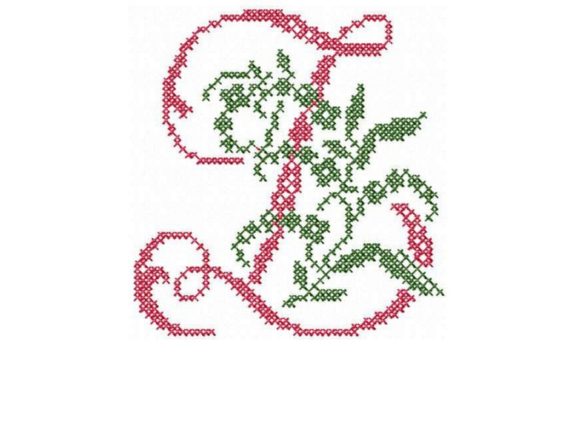
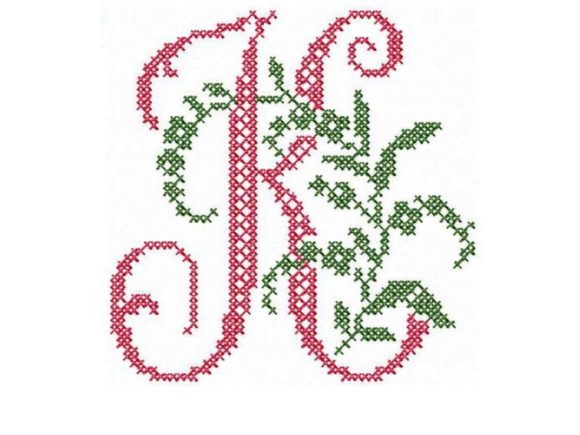
When I first opened the file for Monogram Letter K, I wasn't just looking at a letter; I was imagining the finished product on a shelf in a boutique or sitting on a coffee table as a thoughtful gift. As someone who has stitched thousands of designs and reviewed countless files for my own craft business, I know that the difference between a design that looks great in a preview and one that holds up in real life often comes down to technique and context. This specific design is created in a cross-stitch technique, which immediately sets it apart from the standard satin stitch monograms we see everywhere.
The visual personality of this piece is undeniably cozy. It evokes a distinct cottagecore aesthetic, making it perfect for projects that need to feel warm, inviting, and handmade. Whether you are an Etsy seller looking to expand your personalized gift collection or a hobbyist preparing a holiday present, understanding how this design translates from digital to fabric is crucial. My goal here is to walk you through exactly how Monogram Letter K performs when it leaves the screen and hits the hoop, based on practical experience with similar cross-stitch style files.
The First Impression: Mood and Visual Personality
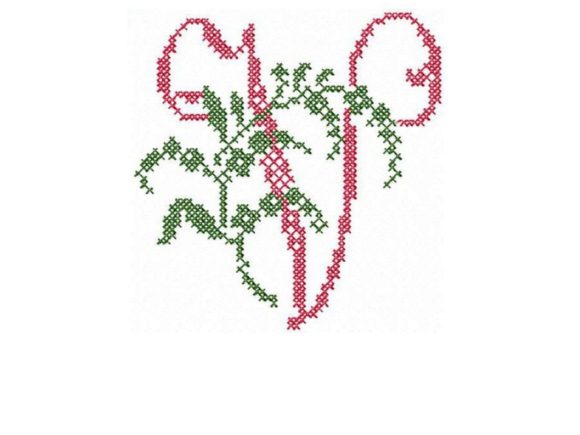
Cross-stitch emulation in machine embroidery creates a unique texture that mimics the look of handcrafted needlework. Unlike smooth satin stitches that can sometimes feel too polished or corporate, the blocky, pixelated nature of the cross-stitch pattern adds character and charm. When I looked at the layout of Monogram Letter K, the shape felt balanced but playful. It doesn't try to be overly elegant or formal; instead, it leans into a fun, approachable vibe that works exceptionally well for casual wear and home decor.
This design naturally belongs in spaces where comfort is key. The cross-stitch technique breaks up the light reflection on the thread, giving the letter a softer appearance even under bright studio lights. For designers building a brand around "slow living" or artisanal goods, this letter offers a visual consistency that reinforces those values. It feels like something a grandmother might have stitched by hand, yet it delivers the precision of modern machinery. That blend of nostalgia and reliability is what makes it such a strong asset for a small shop product line.
Real-World Application: From Tote Bags to Nursery Decor
I recently tested a similar cross-stitch monogram on a custom embroidered tote bag for a client who wanted a rustic touch for her farmers market stall. The result was striking. The texture of the cross-stitch held up beautifully against the canvas weave of the bag, creating a tactile contrast that drew the eye. Applying that same logic to Monogram Letter K, I can confidently say it is an excellent choice for durable items like aprons, kitchen towels, and pillow covers.
Imagine using this design for a baby item, such as a onesie or a nursery banner. The soft, rounded corners of the cross-stitch blocks prevent the design from feeling harsh or aggressive, which is ideal for children's clothing. It also works wonderfully for holiday embroidery projects, adding a festive, homemade feel to stockings or gift tags. For commercial embroidery projects, this design allows you to create high-value personalized products without needing complex digitizing skills. You can offer custom initials for sweatshirt embroidery or caps, knowing that the cross-stitch style will give your merchandise a unique selling point that stands out from mass-produced goods.
However, not every surface is a good match. While the design is versatile, it requires strategic placement. If you are working on a curved surface like a cap, you must consider how the grid-like structure of the cross-stitch interacts with the curvature. On a flat surface like a tea towel, it shines. On a tight curve, the individual stitches might distort slightly if the stabilizer isn't perfectly managed. For a patch or a detailed corner on a jacket, the clarity of the letter depends heavily on the density of the stitching. Always ensure the design fits within your intended area to maintain that clean, professional look.
Navigating Fabric and Stitch Density Challenges
One of the most critical aspects of using any embroidery file is understanding its limitations regarding fabric texture and thickness. The cross-stitch technique relies on distinct blocks of thread, which means it needs a stable base to look sharp. If you attempt to stitch Monogram Letter K onto thin, stretchy fabric like a lightweight jersey t-shirt without proper support, you risk distortion. The tension required to hold the cross-stitch blocks together can pull the fabric, causing the letter to wobble or the surrounding material to pucker.
Similarly, dark fabrics present a challenge. Cross-stitch designs often rely on the negative space between stitches to define the shape. If the background color is too dark and the thread color is low contrast, the letter may disappear into the fabric. I recommend testing thread colors carefully before committing to a large run. A light pastel thread on a dark navy background might lose definition, whereas a bold primary color would pop beautifully. Also, be cautious with textured fabrics like heavy wool or bouclé. The uneven surface can hide the fine details of the cross-stitch, making the letter look muddy rather than crisp.
Dense stitch areas are another factor to watch. While this design is described as easy to stitch, dense fill areas can make the fabric stiff. For items that need to remain soft, like baby clothes or comfortable loungewear, you might want to adjust the density settings if your software allows it, or choose a lighter weight stabilizer to keep the final product flexible. Conversely, for items like wall hangings or decorative pillows, a higher density can add a nice structural integrity to the design.
Designer Notes for Professional Results
Before you start stitching, there are several practical steps to ensure your embroidery project succeeds. First and foremost, always test the design on scrap fabric first. This simple step saves time and materials by revealing potential issues with thread tension or fabric stability. Check the thread color contrast thoroughly; sometimes a color looks fine on a monitor but fails in person due to lighting conditions.
Review the stitch density and confirm the hoop size needed for the specific application. If you are planning to use this for commercial embroidery or selling on platforms like Etsy, you must inspect small details closely. The cross-stitch pattern relies on clear edges, so ensure the digitizing didn't introduce any stray threads or weak points. Test the design in black and white mockups to verify that the shape remains recognizable without relying on color alone.
Don't forget to use proper stabilizer. For cross-stitch styles, a cut-away stabilizer is often best for durability, especially on items that will be washed frequently. If you are unsure about the exact specifications, check the original file description for recommended hoop sizes and machine compatibility. Finally, confirm licensing before selling finished items or digital products. Understanding whether you have the right to sell the physical goods made with this design is essential for protecting your craft business.
Final Thoughts on Value and Branding
Using Monogram Letter K effectively can significantly boost the perceived value of your finished product. Customers appreciate designs that look intentional and well-executed. A cross-stitch monogram suggests care and attention to detail, which builds trust and encourages repeat purchases. Whether you are creating a personalized gift for a friend or a line of boho-style accessories for your online store, this letter brings a cohesive, charming element to your work.
It is a versatile tool in your arsenal of design assets. By combining it with other elements or using it as a focal point on custom apparel, you can create a wide range of products that appeal to different tastes. Just remember that success lies in the execution. Pay attention to the fabric, the stabilizer, and the thread choices, and this design will serve you well. For anyone looking to add a touch of rustic elegance to their handmade product lineup, Monogram Letter K is a smart, reliable choice that balances aesthetics with practicality.