Review: Patchwork Heart for Valentine s Day
As an embroidery designer who spends more time than I care to admit tweaking stitch density and testing thread combinations, I am always on the lookout for designs that offer genuine value beyond a simple heart shape. When I first encountered Patchwork Heart for Valentine s Day on Creative Fabrica, I was immediately drawn in by its visual mood. It isn’t just another standard romantic motif; it has a distinct personality that suggests texture, warmth, and a handmade aesthetic that resonates deeply with today’s craft market.
I decided to put this design through its paces before committing it to any customer orders or commercial listings. My goal was to determine if this is merely a decorative asset or a robust tool for creating high-value handmade product lines. Below is my honest evaluation of how this design performs in real-world scenarios, from concept to finished piece.
First Impressions and Visual Appeal
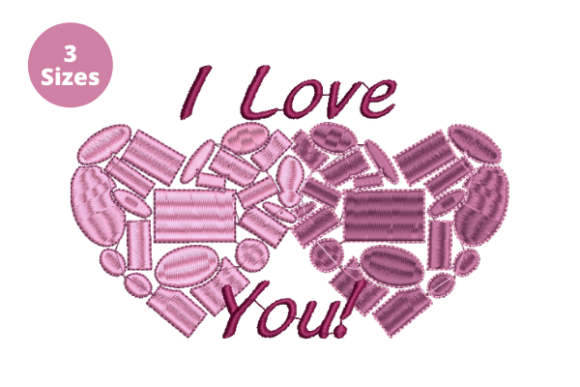
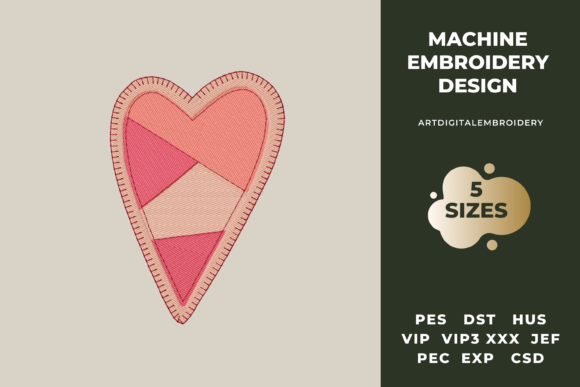
The immediate strength of Patchwork Heart for Valentine s Day lies in its intricate detail level. Unlike solid fill designs that can sometimes look flat or overly dense, this design mimics the look of quilted fabric or sewn patches. This "patchwork" effect adds depth and visual interest, making it exceptionally suitable for home decor items where texture is key. The design feels cozy and inviting, which aligns perfectly with the seasonal spirit of Valentine S Day without being cliché.
From a branding perspective, this design offers excellent versatility. It bridges the gap between rustic charm and modern minimalism. For Etsy sellers and small business owners, this means you can position your products as premium, artisanal goods rather than mass-produced merchandise. The aesthetic naturally elevates the perceived value of the item, whether it ends up on a kitchen towel or a boutique pillow cover.
Real-World Application: Where Does It Fit?
In my experience, not every digital file translates well to physical fabric. However, Patchwork Heart for Valentine s Day shows remarkable adaptability across various mediums. Here is how I see it performing in specific project categories:
- Home Decor & Textiles: As noted in the product description, this design looks stylish in the decor of pillows. The patchwork style complements the softness of cotton blends and linen, making it ideal for throw pillows, nursery decor, and quilt accents. It also works beautifully on terry towels, adding a touch of luxury to bath sets.
- Custom Apparel: For those looking to expand into custom apparel, this design fits well on sweatshirts and knitwear. The slightly textured look of the patchwork mimics appliqué, giving the illusion of a sewn-on badge even when stitched directly onto the garment. It is less likely to feel heavy or restrictive than a large, dense block of satin stitches.
- Accessories & Gifts: This design is perfect for smaller items like aprons, tote bags, and embroidered patches. On a canvas tote bag, the contrast of the threads against the sturdy fabric creates a striking focal point. It also serves as a charming addition to baby blankets or bibs, where safety and softness are paramount.
- Digital Products: If you sell printable mockups or design assets, this file is a strong addition to your library. Its versatile color palette allows designers to easily swap thread colors in their digital presentations to match various brand aesthetics.
Practical Embroidery Considerations
While the design is visually appealing, successful execution requires attention to technical details. Here are some practical notes based on my testing process:
Stabilizer Usage
The product description explicitly states that for embroidery on knitwear and terry towels, you must use both the lower and upper stabilizer. This is crucial. Knit fabrics stretch, and terry loops can be unstable. Using only one layer of stabilizer may lead to puckering or distortion, ruining the clean lines of the patchwork effect. For woven fabrics like cotton or denim, a cut-away stabilizer is generally recommended for durability, especially if the item will undergo frequent washing.
Thread Color and Contrast
To truly highlight the patchwork aesthetic, thread colors need careful selection. High contrast between adjacent sections helps define the individual "patches." If you use low-contrast colors, the design may lose its structural integrity and look muddy. I recommend testing on scrap fabric to ensure the thread choices pop against your base material. This is particularly important for dark fabric, where lighter threads might require a backing to prevent transparency issues.
Hoop Size and Stitch Density
Before starting production, confirm the hoop size required by checking the file details on the Creative Fabrica product page. Ensuring your machine’s hoop matches the design dimensions prevents unnecessary trimming or resizing, which can alter the final proportions. Additionally, inspect the stitch density areas. While the patchwork style often uses lighter fills, any satin stitch borders or small details should be checked for tightness. Excessive density can cause fabric distortion, while too little density can leave gaps in the coverage.
Impact on Product Value and Buyer Trust
Using a well-executed design like Patchwork Heart for Valentine s Day directly influences buyer trust. Customers buying personalized gift items or commercial embroidery products expect quality. A design that stitches cleanly, holds its shape after washing, and looks intentional in its composition signals professionalism.
Furthermore, this design enhances product photography. The textural elements of the patchwork style catch light differently than flat designs, creating shadows and highlights that make photos more dynamic. This visual appeal can significantly boost engagement on social media platforms and increase conversion rates for your online store.
Final Verdict
Overall, Patchwork Heart for Valentine s Day is a strong contender for anyone looking to add variety to their Valentine’s Day collection. It offers a unique twist on a classic symbol, making it stand out in a crowded market. Whether you are creating embroidered patches, decorating tote bag designs, or crafting sweatshirt embroidery for boutiques, this file provides a solid foundation.
Remember to always review the specific file details, including licensing terms for commercial embroidery use, directly on the Creative Fabrica product page. By combining this design with proper technique—such as using appropriate stabilizers and testing thread contrasts—you can create finished products that delight customers and strengthen your brand’s reputation for quality.
If you are ready to elevate your handmade offerings with a design that balances charm and craftsmanship, this is definitely worth downloading and experimenting with. Happy stitching!