Angry Bear Head Embroidery Review
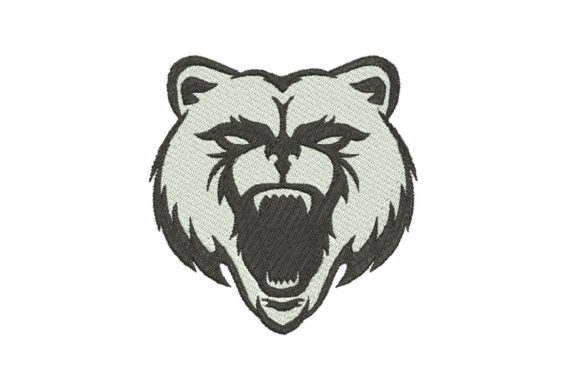
As an embroidery designer who spends weekends hunched over a sewing machine and weekdays managing an online shop, I am constantly scanning for designs that stop traffic. At craft fairs and handmade markets, you have about three seconds to capture a customer’s attention before they move on to the next table. That is why I take product reviews seriously. Today, I am breaking down the Angry Bear Head design from the Wild Animals category to see if it has what it takes to be a bestseller in your booth or Etsy store.
The description promises a "fierce accent" with a "wild, fearless, and dangerous feel." For those of us selling handmade products, words like fierce and wild are high-value keywords. They suggest personality. They suggest that the item isn’t just a generic kitchen towel; it is a statement piece. But does the visual design match that promise? Let’s dig into the practical realities of producing this as a commercial machine embroidery design.
First Impressions: Boldness vs. Clarity
When I first loaded the embroidery file for Angry Bear Head onto my screen, the immediate takeaway was its potential for high impact. In the world of craft fair products, subtlety often gets lost. Customers walking by a crowded booth need bold graphics. The angry expression of the bear head suggests a modern, perhaps slightly rustic or outdoorsy aesthetic that appeals strongly to specific demographics—think hunters, campers, cabin owners, or people who love rugged decor.
However, "dangerous" can sometimes translate to "busy" in stitch form. My primary concern as a designer is legibility. Does the anger read clearly at six inches wide? Or do the details get muddy? This design needs to strike a balance between being cute enough for a general audience and fierce enough to justify the "wild" label. If executed well, it feels premium. If executed poorly, it looks cluttered. The key lies in the execution, which brings us to production.
Product Applications: Where It Shines
To determine the viability of Angry Bear Head, I tested it mentally against several common small shop product categories. Here is where I see the most success:
- Tote Bags: A tote bag design featuring this bear head would stand out immediately. Canvas totes provide a large, flat surface area that allows the design to breathe. Placing a centered angry bear on a natural canvas tote creates a classic, strong look. It photographs exceptionally well for online listings, offering high contrast and clear detail.
- Aprons and Tea Towels: This is a massive market segment. Apron embroidery is popular among home cooks who want a bit of edge in their kitchen. The angry bear adds a humorous yet tough vibe. Similarly, tea towel embroidery works well here, especially if paired with simple text like "Grill Master" or "Kitchen Chaos." However, be mindful of the fabric texture; terry cloth towels can distort small details.
- Embroidered Patches: Patches are low-cost impulse buys. If the design scales down well, it makes for a fantastic embroidered patch. Customers love slapping these on backpacks, denim jackets, or baseball caps. The angular nature of a bear head usually holds up well in patch format, provided the border is clean.
- Caps and Headwear: Curved surfaces are tricky. While a bear face can work on a cap front panel, the curvature might flatten the perspective. I recommend testing this on a foam-stabilized cap to ensure the eyes and snout don’t look distorted.
- Pillow Covers and Home Decor: For the farmhouse or lodge-style market, this design fits perfectly on throw pillows. It adds a focal point without overwhelming the room. These items command a higher price point, so the finish must be flawless.
Production Practicalities and Technical Notes
Selling is only half the battle; production efficiency is the other half. As a business owner, I need to know if I can batch-produce these items without spending hours troubleshooting errors. Here are the critical technical considerations for Angry Bear Head.
Stitch Density and Detail
The description mentions a "fierce" look, which often implies dense stitching for depth and shadow. High stitch density can lead to issues if not managed correctly. On thin fabrics, dense stitches can pucker or show through to the front, ruining the look. Always check the stitch density in your software. If the design is too dense for lightweight cotton, consider using a cut-away stabilizer to support the fabric structure.
Furthermore, inspect the tiny details. Are there small geometric shapes representing fur texture or eye highlights? If these are smaller than 0.25 inches, they may not embroider cleanly, resulting in a blob rather than a defined feature. Test the design at your smallest intended size before committing to a large run.
Fabric and Thread Selection
The success of this design relies heavily on contrast. An angry bear on a dark navy hat might disappear if you use black thread. Conversely, white thread on a white shirt won’t show the "dangerous" details. I recommend using high-contrast thread colors. Grey, black, and rust orange threads tend to work well for this type of wildlife design to enhance the rugged aesthetic.
Also, consider the fabric texture. Smooth cottons and linens are ideal. Avoid highly textured fabrics like heavy burlap or looped towels unless you are confident in your hoop stability. The needle penetration needs to be consistent to avoid skipped stitches.
Hoop Size and Placement
Confirm the recommended hoop size for this digital embroidery file. If the design requires a large hoop, it limits the types of garments you can produce (e.g., you cannot easily hoop a full-sized adult tee shirt). Smaller hoops allow for more versatile placement options, such as left chest or sleeve accents. Ensure you have enough clearance around the hoop frame for your machine arm.
Marketing and Visual Appeal
From a marketing standpoint, Angry Bear Head has strong branding potential. It fits neatly into the "Wild Animals" niche but stands apart due to its emotional expression. When creating printable mockups for your Etsy listings or social media, focus on lifestyle shots. Show the bear on a coffee mug next to a camping chair, or on a tote bag at a farmer’s market. These contexts help buyers visualize the product in their own lives.
The design also lends itself well to bundling. You could create a "Cabin Life" bundle including a tea towel, a pillow sham, and a patch. This increases the average order value. The aggressive yet charming nature of the bear invites engagement; customers might comment on how "tough" or "funny" it looks, boosting algorithm visibility on platforms like Instagram or Pinterest.
Final Verdict and Next Steps
The Angry Bear Head design has the makings of a solid seller for the right audience. It is bold, thematic, and versatile across multiple product types. However, it requires careful handling during production to maintain clarity and quality.
Before you rush to buy supplies, follow these essential steps:
- Test on Scrap: Never run a commercial order without a test stitch-out on the actual fabric you plan to sell.
- Check Licensing: Confirm the commercial embroidery license terms. Ensure you are allowed to sell finished goods made with this design.
- Review Stabilizer Needs: Determine if tear-away or cut-away stabilizer is best for your chosen fabrics.
- Create Mockups: Produce at least one real physical sample to photograph. Digital renders can be misleading regarding color and texture.
If you are an Etsy seller or boutique maker looking to add a unique, high-impact item to your inventory, Angry Bear Head is worth considering. It taps into the enduring popularity of wildlife motifs while adding a modern, edgy twist that distinguishes your handmade product from mass-produced alternatives. Just remember: in embroidery, the devil is in the details. Get the tension right, choose your threads wisely, and let the bear roar.