Customizable Family Tree Design Review
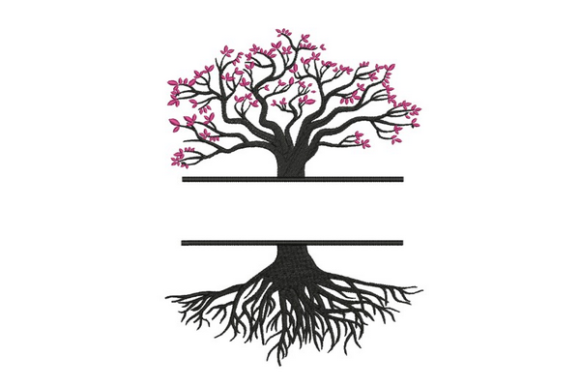
As an embroidery designer who has spent years translating digital concepts into tangible, stitched assets for small businesses, I approach every new machine embroidery design with a critical eye. It is not enough for a design to simply look good on a screen; it must perform under the needle, hold up to wear and tear, and enhance the brand identity of the business applying it. Today, I am reviewing the Customizable Family Tree, a design described as playful and featuring apples, which targets the family-oriented niche. This review focuses strictly on its viability for commercial application, including embroidered patches, staff uniforms, boutique merchandise, and branded product labels.
First Impressions: Visual Personality and Brand Fit
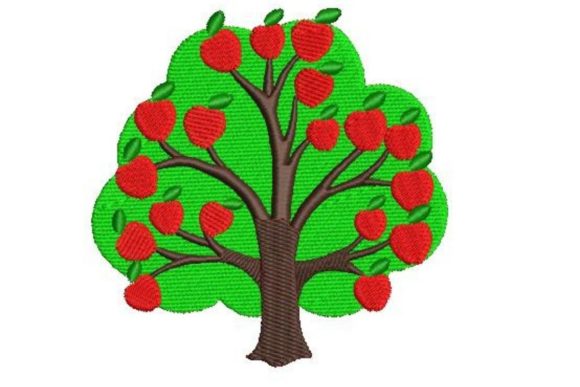
The title "Customizable Family Tree" paired with the description of a lovely design featuring apples suggests a design that leans heavily into warmth, tradition, and approachability. From a small business merch perspective, this aesthetic is incredibly versatile. It does not scream corporate rigidity; instead, it whispers "handmade," "community," and "heritage."
For a local café, a boutique bakery, or a handmade brand selling baby goods, this design feels like a natural fit. The inclusion of apples often symbolizes knowledge, health, or simple rustic charm, making it ideal for farm-to-table businesses, organic product lines, or educational toy brands. However, the term "playful" requires careful interpretation. In embroidery, playfulness can sometimes translate to thin lines or complex details that may not survive the digitizing process at smaller scales. As a designer, my first question is always: does the visual weight of the tree and apples balance well? If the design is too delicate, it will lose definition when stitched onto dark fabrics or small items. If it is bold and stylized, it commands attention and reinforces a premium finished product.
Commercial Application Scenarios
The true test of any embroidery file is its adaptability across different mediums. Here is how the Customizable Family Tree performs in real-world business scenarios:
- Embroidered Patches: This is perhaps the strongest use case. A family tree motif works beautifully as a circular or shield-shaped patch. Small business owners often use these on denim jackets, backpacks, or tote bags to create a sense of belonging among their community or staff. The apple accents provide a pop of color potential, allowing for strategic thread color choices that align with brand palettes.
- Apron Embroidery: For bakeries, florists, or craft studios, the chest area of a canvas apron is prime real estate. A centered family tree design projects stability and care—values customers associate with homemade goods. Because aprons are worn frequently, the design must be durable. The structural nature of a tree trunk usually holds up well to washing, provided the stitch density is appropriate.
- Cap Embroidery: Placing a family tree on the front of a cap can be tricky due to curvature. However, if the design is simplified, it serves as a subtle yet meaningful logo accent. It works particularly well for outdoor brands, gardening shops, or family-run tour companies where heritage is a selling point.
- Tote Bag Design: Canvas totes are a staple for Etsy branding and craft fairs. A large-scale family tree on the back or a smaller one on the front pocket adds a personal touch that encourages customers to carry the brand around town, effectively turning them into walking billboards.
- Staff Uniforms: For businesses that want to humanize their team, adding a small embroidered tree to a work shirt or polo can foster a sense of unity. It suggests that the employees are part of a larger, growing family, which resonates emotionally with clients.
Strategic Placement and Scale
When integrating the Customizable Family Tree into custom apparel, scale is everything. A design that looks intricate on a monitor may become a muddy blob if shrunk down to a 2-inch patch. Conversely, a design that is too sparse may look unfinished on a large tote bag. I recommend testing the design at its intended final size before committing to bulk production. The "apples" element should be evaluated for clarity; if they are tiny, ensure they have sufficient fill stitches so they do not disappear against textured fabrics.
Risks and Considerations for Production
Not every design is created equal, and the Customizable Family Tree comes with specific challenges that designers must mitigate:
- Stitch Density and Fabric Texture: If the design features fine branches or detailed outlines, high stitch density might be required. On lightweight or slippery fabrics, this can cause puckering. Always test on the actual fabric type you plan to use. For textured fabric like burlap or heavy denim, a simpler version of the design may yield better results.
- Thread Color Contrast: The effectiveness of this design relies heavily on contrast. A light-colored tree on a dark uniform may get lost, while a dark tree on white canvas offers crisp visibility. Review the available thread colors and ensure they complement your brand’s primary palette without clashing.
- Small Patch Sizes: When digitizing for small sizes (under 2.5 inches), fine details must be removed or merged. If the original file contains tiny text or intricate leaf patterns, it may not be legible. You may need to simplify the design for these applications to maintain professionalism.
- Curved Surfaces: Embroidering on caps or sleeves introduces distortion. The tree’s vertical lines may bow outwards. Proper hooping techniques and potentially using a curved-hoop attachment are necessary to keep the design straight and true.
Impact on Brand Identity and Customer Trust
In the world of handmade products and small businesses, authenticity is currency. The Customizable Family Tree taps into universal themes of growth, connection, and legacy. By using this design, a business signals that it values relationships—whether with its employees, its customers, or its roots. This emotional connection builds customer trust and recognition. When a customer sees a consistent, well-executed embroidered logo across multiple touchpoints (packaging, uniforms, tags), it elevates the perceived value of the product. It moves the brand from "commodity" to "craftsmanship."
Furthermore, the "family" aspect of the design appeals to gift buyers. Many consumers purchase branded merchandise not just for utility, but as tokens of affection. A family tree design is inherently giftable, making it a smart addition to a product line aimed at holidays, anniversaries, or special events.
Practical Designer Notes for Production
Before incorporating the Customizable Family Tree into your commercial workflow, adhere to these professional standards:
- Test in Black and White: Print the design in grayscale to check for contrast issues and visual balance without the distraction of color.
- Review Spacing: Ensure there is adequate negative space between the tree branches and the edge of the hoop or patch border to prevent clipping.
- Confirm Hoop Size: Verify that the design fits within standard hoop dimensions if you are producing on limited equipment. Larger designs may require multi-hooping, which increases production time and risk of misalignment.
- Use Proper Stabilizer: The choice of stabilizer (cut-away vs. tear-away) depends on the fabric. For stretchy knaps or heavy wovens, a stable base is crucial to prevent distortion during stitching.
- Create a Printable Mockup: Before cutting fabric, generate a printable mockup to show clients or stakeholders. This helps visualize the final result and secure approval.
- Check Commercial Licensing: Most importantly, confirm the commercial licensing terms of the digital embroidery file. Ensure you have the right to sell products made with this design. Do not assume ownership unless explicitly stated.
- Compare Against Other Assets: Place the design alongside your existing design assets to ensure visual consistency. Does it match the weight and style of your other logos?
In conclusion, the Customizable Family Tree is a strong candidate for businesses seeking to convey warmth, heritage, and community. Its versatility across embroidered patches, apron embroidery, and tote bag design makes it a valuable asset for any small business looking to enhance its handmade product offerings. With careful attention to stitch density, fabric selection, and licensing, this design can significantly boost your brand’s visual appeal and customer engagement.