Tree Family Split Embroidery Review
If you are an Etsy seller, a boutique maker, or someone who preps for weekend craft fairs, you know that the difference between a design that sits on your shelf and one that flies off the table often comes down to immediate visual impact. As an experienced embroidery designer, I spend my days judging digital files not just by their artistic merit, but by their commercial viability. Today, I am reviewing the Tree Family Split machine embroidery design to see if it has what it takes to be a standout item in your handmade product lineup.
This design falls into the broader category of forest-themed art, which is perennially popular in home decor and gift markets. The description highlights its use as a beautiful gift for loved ones, specifically mentioning pillow applications. However, for those of us looking to scale production or create diverse inventory, we need to look deeper. Does this design translate well beyond the basics? Is it practical to produce at volume? Let’s break down the real-world potential of this embroidery file.
First Impressions: Visual Appeal and Market Fit
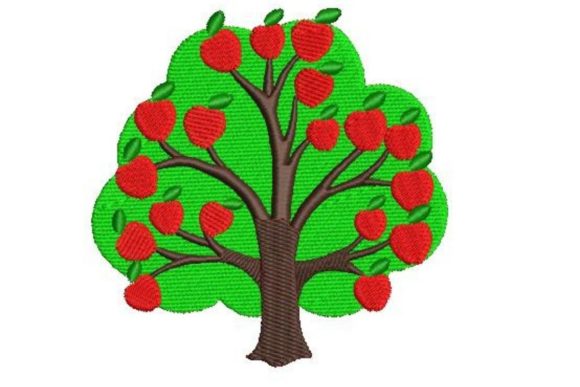
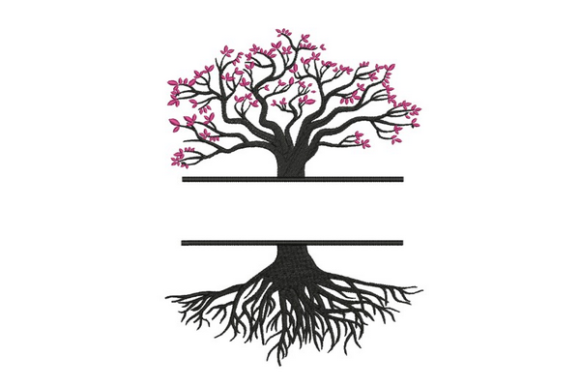
The title "Tree Family Split" suggests a narrative element. In the world of crafter fair products, storytelling sells. A simple tree is decorative; a family of trees implies connection, growth, and home. From a designer’s perspective, this feels like a strong contender for the modern farmhouse or rustic aesthetic that dominates platforms like Pinterest and Instagram. It strikes a balance between being cute enough for children’s rooms and elegant enough for adult living spaces.
When I first looked at the concept, my immediate thought was about versatility. Designs that rely on complex, tiny details often fail when scaled down or stitched quickly. A "split" composition usually offers excellent layout flexibility, allowing you to center the design on large items or flank text on smaller accessories. This structural adaptability is crucial for a small shop product where you want to use one primary asset across multiple SKUs (Stock Keeping Units).
Product Applications: Where Tree Family Split Shines
Let’s talk about specific items. If I were setting up a booth this Saturday, here is how I would deploy the Tree Family Split design to maximize sales.
Pillows and Home Decor
The description explicitly mentions pillows, and for good reason. This is likely the highest-value item in this category. A square throw pillow featuring this design can command a premium price point because it is seen as a finished home decor piece rather than just a craft project. The design needs to be large enough to fill the canvas without feeling cramped. Ensure your hoop size allows for a substantial stitch area so the "family" aspect of the trees is clearly visible from a distance.
Tote Bags and Market Bags
A tote bag design is a staple for any market. However, bags are tricky because the fabric moves. You must ensure the design is anchored well. The organic shapes of trees work beautifully on canvas totes, softening the utilitarian look of the bag. For an Etsy seller, these make excellent low-cost entry-level products. They are easy to ship and appeal to a wide audience. Just be mindful of the placement; centered chest-area logos are classic, but a larger back-print can look more artistic and premium.
Aprons and Tea Towels
Kitchen textiles are another strong category. An apron embroidery featuring forest themes taps into the "cottagecore" trend that remains strong. Similarly, a tea towel embroidery set is a fantastic giftable item. These items have high perceived value because they are functional. When photographing these for your printable mockup or online listings, style them with fresh herbs or wooden utensils to enhance the natural vibe of the design.
Caps and Patches
For headwear, you need to be careful. Curved surfaces distort designs. If you plan to put this on caps, you may need to digitize it specifically for the curve or place it on a flat patch that is then sewn onto the cap. An embroidered patch version of this design could be sold separately for people to attach to backpacks or denim jackets, creating a secondary revenue stream from the same digital asset.
Production Practicality and Quality Control
As a professional, I don’t just guess; I test. Before committing to a batch run, there are several technical checks you must perform with this digital embroidery file.
- Stitch Density: Check the stitch density carefully. Trees often involve leaves and branches. If the density is too high, the fabric will pucker. If it is too low, the background fill might show through. You want a balanced feel that holds its shape after washing.
- Fabric Texture: Consider the surface you are stitching on. A smooth cotton pillowcase will render fine details better than a textured linen or a thick terry cloth tea towel. On rougher fabrics, simplify the design mentally—will the smallest branches get lost?
- Thread Contrast: Use the right stabilizer and thread colors. Dark fabrics require underlay stitches to make bright threads pop. Light fabrics allow for more subtle, tonal thread choices that look sophisticated and expensive.
- Hoop Size Confirmation: Always confirm the hoop size required by the file. If the design is large, you might need a multi-hooping sequence, which increases production time. Calculate if the extra labor cost is worth the higher selling price.
Selling Strategy: From Booth to Online
How does this affect your brand consistency? Using a cohesive theme like "Forest" across your entire shop helps customers recognize your style. If you sell other nature-inspired items, adding Tree Family Split ties your collection together.
For your booth display, this design is versatile enough to create a focal point. Hang a large pillow in the center, surround it with tote bags and aprons, and maybe have a few embroidered patches in a jar for impulse buys. The visual repetition of the tree motif creates a calming, inviting atmosphere that encourages browsing.
Photography is key. Since the design is nature-based, natural light is your best friend. Capture close-ups of the stitching to show quality, but also lifestyle shots showing the product in use. For your finished product listings, emphasize the gifting aspect. Phrases like "Perfect for housewarmings" or "A gift for every family member" resonate with buyers looking for meaningful presents.
Final Designer Notes
Before you start mass-producing, remember these critical steps:
- Test on Scrap: Never skip the scrap fabric test. See how the design behaves on different materials.
- Check Licensing: Confirm commercial licensing before selling any commercial embroidery items. Digital assets vary widely in their usage rights.
- Create Mockups: Make at least one real mockup. Digital previews can lie; physical samples tell the truth about drape, texture, and durability.
- Review Spacing: Ensure the split elements of the design are spaced correctly so they don’t look cluttered when stitched.
The Tree Family Split design has strong potential. It hits the sweet spot of emotional resonance and aesthetic appeal. By paying attention to production details and strategic product placement, you can turn this single machine embroidery design into a robust line of best-selling handmade products. Whether you are a seasoned pro or just starting out, this design deserves a spot in your rotation.