Retro Telephone Embroidery Review
As an experienced embroidery designer, I spend my days evaluating digital assets for their potential in commercial applications. When a new machine embroidery design hits the market, my first question is never just "does it look nice?" but rather, "will this sell?" Today, we are reviewing the Retro Telephone design, a piece that promises to add a nostalgic flair to your projects. For small business owners, Etsy sellers, and apparel decorators looking to expand their small business merch offerings, understanding the practical application of such designs is crucial. This review breaks down how the Retro Telephone performs as a branded asset, from initial visual impact to final production realities.
First Impressions: Visual Personality and Brand Fit
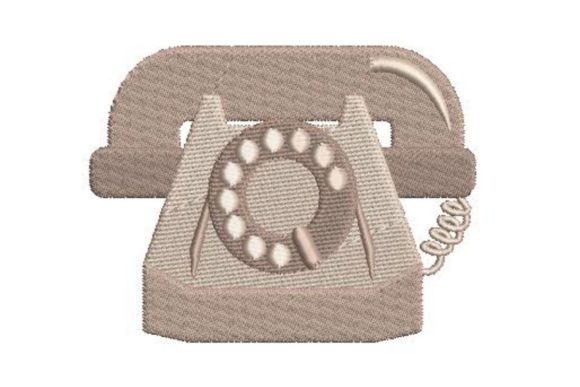
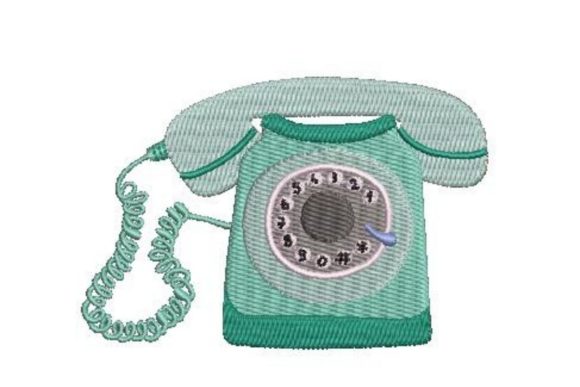
The description highlights a "super cool telephone" with a "retro accent." In the world of branding, nostalgia is a powerful tool. The Retro Telephone design immediately strikes me as playful yet classic. It feels handmade and approachable, which makes it ideal for businesses that want to project warmth and authenticity. Whether you run a vintage-inspired café, a boutique selling artisanal goods, or a creative studio, this design offers a friendly aesthetic that resonates with customers who value craftsmanship.
Visually, the design likely leans towards bold outlines and recognizable shapes, which translates well into thread. Unlike intricate floral patterns that can get lost in fabric texture, a telephone motif tends to have strong geometric elements. This ensures that the design remains legible even when scaled down. For brands aiming for a premium, rustic, or modern-retro vibe, this design serves as a versatile design asset. It suggests a connection to communication, history, and personal touch—values that many local businesses wish to embody.
Real-World Applications for Small Businesses
The true test of any embroidery file is its versatility across different product types. Here is how the Retro Telephone can be integrated into various commercial streams:
- Embroidered Patches: One of the most popular uses for this design is creating iron-on or sew-on patches. These are excellent for adding character to denim jackets, backpacks, or beanies. A retro phone patch signals creativity and individuality, making it a hit among younger demographics and hobbyists.
- Staff Uniforms and Aprons: For coffee shops, bakeries, or florists, branding staff attire is essential. Placing the Retro Telephone on the chest pocket of a work shirt or the bib of an apron embroidery project adds a subtle brand mark without being overwhelming. It helps create a cohesive team look that feels curated rather than corporate.
- Caps and Headwear: Cap embroidery requires designs that conform to curved surfaces. The telephone shape, often circular or rectangular, works well on the front panel of baseball caps or structured trucker hats. This is a staple item for trade shows, local events, and promotional giveaways.
- Tote Bags and Eco-Friendly Merch: With the rise of sustainable shopping, tote bag design opportunities are vast. The Retro Telephone prints beautifully on canvas totes, appealing to eco-conscious consumers. It serves as both a functional item and a walking advertisement for your brand.
- Product Packaging Accents: Beyond apparel, this design can be used on tags attached to retail products. Adding a small embroidered label to handmade soaps, candles, or jewelry boxes elevates the perceived value of the handmade product.
Brand Identity and Customer Trust
Consistency is key to building brand identity. Using a distinct, high-quality design like the Retro Telephone helps establish visual recognition. When customers see the same charming telephone logo on a hat, a tote, and a uniform, it reinforces trust and professionalism. It tells the buyer that attention to detail matters. Furthermore, unique custom apparel featuring specific motifs can drive engagement, as customers often share photos of their purchases on social media, providing organic marketing for your shop.
Strategic Considerations and Limitations
While the Retro Telephone is promising, no design is perfect for every scenario. As a designer, I advise caution in the following areas:
- Small Patch Sizes: If you plan to produce tiny patches (under 2 inches), ensure the telephone details are not too fine. Intricate lines may merge together during stitching, resulting in a muddy appearance. Simplified versions of the design are better for small formats.
- Curved Surfaces: Embroidering on curved items like caps or sleeves requires careful hooping. The design must be balanced so it does not distort when pulled onto the curve. Test stitches on similar materials before bulk production.
- High Stitch Density: Designs with dense fills can become stiff and heavy. On delicate fabrics like silk or thin cotton, this stiffness might be undesirable. Check the stitch density to ensure the finished product remains comfortable to wear.
- Fabric Texture and Color: Dark uniforms or heavily textured fabrics can obscure light-colored threads. Always consider thread color contrast. A white telephone on a black apron will pop, but the same design on a heather gray shirt might require a backing layer to prevent show-through.
- Wash Durability: Items that undergo frequent washing, such as work shirts or kitchen towels, need robust construction. Ensure the design is anchored properly to prevent fraying over time.
Practical Designer Notes for Production
To ensure the Retro Telephone delivers professional results, follow these technical steps:
- Test in Black and White: Before committing to multiple thread colors, digitize or test the design in monochrome. This helps evaluate the balance of positive and negative space.
- Check Hoop Size: Confirm that the hoop size of the design fits your intended garment dimensions. Running a large design through a small hoop can lead to distortion.
- Use Proper Stabilizer: The choice of stabilizer is critical. Cut-away stabilizers are generally recommended for stretchy fabrics or long-term durability, while tear-away may suffice for woven cottons used in one-time event merch.
- Create a Printable Mockup: Use a printable mockup to visualize the design on actual products. This allows you to assess scale and placement relative to other brand elements before cutting fabric.
- Review Thread Colors: Inspect the thread colors provided in the file. Ensure they match your brand palette. If the default colors do not align, be prepared to customize them using your machine’s library.
- Confirm Commercial Licensing: Most importantly, verify the commercial licensing terms of the digital embroidery file. Some licenses restrict the number of items you can sell, while others allow unlimited use. Protect your business by ensuring you have the right to monetize this design.
Final Verdict
The Retro Telephone is a strong candidate for small business merchandise, particularly for brands seeking a warm, nostalgic, and professional image. Its versatility across embroidered patches, apron embroidery, and tote bag design makes it a valuable addition to your catalog. However, success depends on proper execution—paying close attention to stitch density, fabric choice, and licensing. By treating this design with the same rigor as any other design asset, you can create a cohesive line of branded goods that enhances customer loyalty and drives sales. Always test thoroughly, compare it beside other design assets in your collection, and ensure it aligns with your overall visual consistency. When done right, a simple telephone can say volumes about your brand.