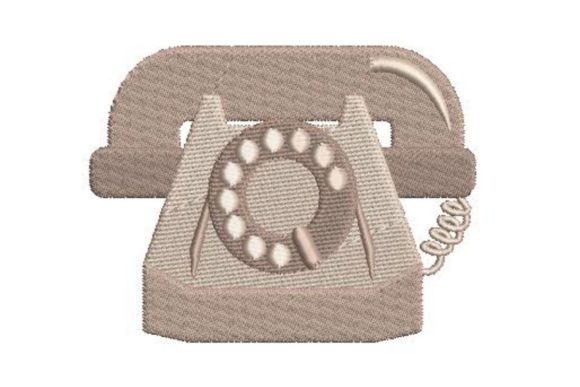
Old Fashioned Telephone Embroidery Design Review
As an embroidery designer who has spent years turning digital files into tangible, heartfelt gifts, I know that the difference between a good product and a memorable one often comes down to the design itself. When browsing through Creative Fabrica embroidery options for upcoming orders, I recently encountered a piece titled Old Fashioned Telephone. At first glance, it looked like a simple graphic, but upon closer inspection, it revealed a level of charm and versatility that makes it a strong contender for personalized gift projects.
This review is written from the perspective of a professional looking at this machine embroidery design through the lens of real-world application. Whether you are an Etsy seller, a craft fair exhibitor, or someone making a special keepsake for family, understanding how a design translates from screen to fabric is crucial. Here is my honest evaluation of the Old Fashioned Telephone design and why it might be the perfect addition to your current project queue.
The Emotional Appeal and Visual Charm
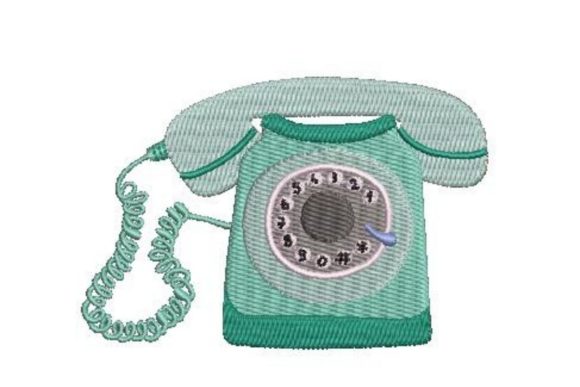
When I first pulled up the preview for the Old Fashioned Telephone, what struck me immediately was its nostalgic warmth. In a market saturated with modern, minimalist, or overly trendy motifs, there is something deeply comforting about vintage imagery. This design captures the essence of classic communication in a way that feels both sweet and elegant. It isn’t just a phone; it’s a symbol of connection, patience, and personal touch—values that resonate strongly with buyers seeking meaningful gifts.
The visual softness of the lines suggests a hand-drawn or retro aesthetic that pairs beautifully with cozy home decor themes. It doesn’t scream for attention; rather, it invites the viewer to pause and appreciate the detail. For handmade product creators, this subtlety is gold. It allows the craftsmanship of the stitching to shine without overwhelming the fabric. Whether used on a neutral linen pillow cover or a soft cotton baby blanket, the design adds a layer of sophistication that elevates the perceived quality of the finished item.
Real-World Applications for Personalized Gifts
One of the most valuable aspects of this design is its adaptability. The Old Fashioned Telephone is not limited to a single use case. Its thematic flexibility allows it to fit seamlessly into various categories of personalized gifts. Here is how I see it working in practice:
- Baby Embroidery and Nursery Decor: While telephones may seem unrelated to babies, the vintage aesthetic works wonderfully in gender-neutral nurseries. Imagine this design stitched onto a muslin swaddle or a crib bumper in soft pastels. It adds a whimsical, storybook feel that parents love.
- Wedding Gifts and Keepsakes: Weddings are all about connection and memories. An embroidered towel featuring this motif could be a unique guest favor, or a small tote bag could serve as a "day-of" emergency kit accessory. The romantic, timeless vibe fits perfectly with rustic or vintage-themed weddings.
- Home Decor and Kitchen Items: As categorized under House, this design shines on kitchen towels, aprons, and table runners. The idea of "staying connected" over a home-cooked meal adds a subtle narrative to functional items. It transforms a standard embroidered towel into a conversation starter.
- Etsy Listings and Small Shop Products: For digital sellers and physical goods makers alike, this design offers a niche appeal. It stands out in search results alongside more common floral or geometric patterns, offering variety to customers who want something different.
Practical Considerations for Stitching Success
From a technical standpoint, every designer knows that a beautiful image can fail if the execution is flawed. When evaluating any machine embroidery design, I always look at the density, the stitch types, and the feasibility of the details. With the Old Fashioned Telephone, there are specific practical concerns that need attention.
Small Lettering and Delicate Shapes: Vintage designs often include fine lines or small text elements (such as date stamps or brand logos on the phone). These areas require high precision. If the stitch density is too low, the details may blur. If it is too high, the fabric may pucker. Before committing to a large production run, it is essential to create a test stitch-out on the actual fabric you plan to use.
Fabric Texture and Stabilizer Choice: The choice of base material will dictate the success of this design. On a thick blanket embroidery project, you will need a sturdy cut-away stabilizer to prevent distortion. On a stretchy baby onesie, a tear-away or wash-away stabilizer might be more appropriate to maintain comfort. Always test on similar fabric to check for puckering, especially around the curved edges of the telephone receiver.
Thread Color Contrast: Because this design relies on classic styling, thread selection is critical. Dark fabrics may require metallic or bright threads to make the outline pop, while light fabrics allow for subtle tonal stitching. Experimenting with thread colors can completely change the mood of the final piece, from playful to sophisticated.
Technical Checklist for Best Results
- Create a Test Stitch-Out: Never skip this step. It reveals issues with tension, density, and placement that previews cannot show.
- Check Small Details: Zoom in on your embroidery software to ensure no tiny stitches are missing or overlapping incorrectly.
- Confirm Hoop Size: Ensure your hoop is large enough to accommodate the design without awkward re-hooping, which can misalign the image.
- Review Stitch Density: High-density areas may need additional stabilizer backing to prevent fabric show-through.
- Verify Licensing: Check the product details and licensing terms on Creative Fabrica before selling finished products to ensure you have the commercial rights required for your business model.
Impact on Customer Trust and Perceived Value
In the world of online sales, particularly on platforms like Etsy, the photograph is everything. A well-executed Old Fashioned Telephone embroidery provides excellent opportunities for product photography. The subject matter is inherently photogenic, allowing you to stage scenes that evoke emotion—perhaps a phone resting next to a cup of coffee, or nestled in a gift box with tissue paper.
When customers see a clean, precise stitch job on a charming design, their trust in your craftsmanship increases. They perceive the item as higher quality and more worth the price. This emotional value is hard to quantify but directly impacts buyer engagement and repeat business. A custom embroidery piece that tells a story, even a small one like this, creates a stronger bond between the maker and the recipient than a generic mass-produced item ever could.
Final Thoughts on Design Quality
The Old Fashioned Telephone design is a testament to the power of nostalgia in modern crafting. It is versatile, emotionally resonant, and technically feasible for embroiderers of various skill levels, provided they take the necessary precautions regarding stitch density and stabilization. For those looking to expand their inventory of handmade products, this design offers a fresh angle that appeals to a wide audience.
Whether you are creating a one-of-a-kind wedding gift or scaling up production for a craft fair, this design holds up well. It reminds us that embroidery is not just about decoration; it is about capturing feelings and moments in thread. By paying attention to the details—from the choice of stabilizer to the final presentation—you can turn this simple vintage icon into a treasured heirloom.
I recommend adding this to your collection if you appreciate designs that blend classic style with practical utility. Just remember to review the specific file formats and hoop size requirements provided by the creator to ensure compatibility with your equipment. Happy stitching!