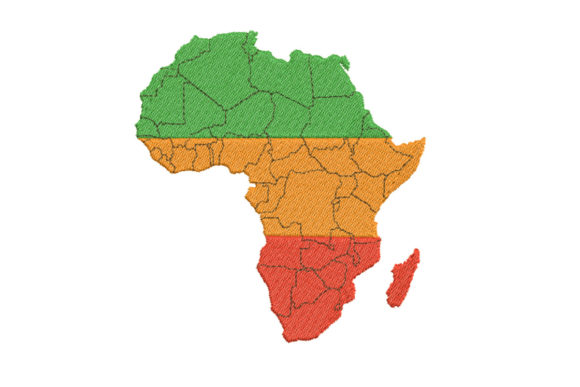
Africa Map Embroidery Review: Real-World Design Insights
As a designer who spends half my life staring at digitized files and the other half troubleshooting stitch errors on the hoop, I don’t just look for pretty pictures. I look for viability. When evaluating a machine embroidery design, my primary concern is always practical application: will this hold up in production? Will it translate well to fabric? Does it have enough visual weight to justify the time investment?
This review focuses on the Africa Map design, a digital asset marketed as a perfect embellishment for home decor, office decor, or general craft projects. While the description promises high quality, true value is determined by how the design behaves during actual stitching. Below, I break down the aesthetic appeal, technical performance, and commercial potential of this embroidery file from the perspective of someone who needs reliable assets for client work and handmade product lines.
First Impressions: Mood and Visual Personality
The moment you load the Africa Map into your software, the first thing that strikes you is its bold geometric simplicity. It creates an immediate sense of grounded elegance. Unlike overly intricate maps that can turn into muddy blobs when stitched, this design relies on strong silhouettes. The visual personality is modern yet timeless, making it versatile enough for various aesthetics, from rustic farmhouse to sleek contemporary boutique branding.
For designers, this clarity is crucial. A map outline needs to be recognizable without requiring excessive detail. This design achieves that balance effectively. It feels substantial on the screen, suggesting it will have good presence on fabric. It evokes a mood of exploration and heritage, which translates emotionally to the end-user. Whether used for a personalized gift or a statement piece in a retail store, the design communicates pride and connection to the continent naturally.
Real-World Application: Where This Design Shines
In my experience, certain designs lend themselves better to specific products than others. The Africa Map is particularly effective in categories where a central, focal graphic is desired. Here is how I see this embroidery project performing in real-life scenarios:
- Custom Apparel and Sweatshirts: Placed on the chest of a crewneck sweatshirt or centered on the back of a heavyweight t-shirt, the map acts as a strong brand logo or personal statement. The clean lines work well with standard thread colors, creating a crisp look that stands out against cotton blends.
- Tote Bag Designs: For the Etsy seller or craft fair vendor, a large map on a canvas tote is a classic bestseller. The design’s scale allows it to fill the bag beautifully without overwhelming it. It pairs exceptionally well with simple text overlays for quotes about travel or love for the continent.
- Baby Embroidery and Nursery Decor: There is a growing market for meaningful nursery items. Stitching this map onto a muslin blanket or a small pillow cover offers a sophisticated alternative to cartoon animals. It serves as a great educational tool for older toddlers and looks stunning in neutral color palettes like sage green, mustard yellow, or soft grey.
- Personalized Gifts and Holiday Embroidery: During the holiday season, this design fits perfectly into the "meaningful gift" category. It works well for graduation gifts, retirement presents, or items for expatriates missing home. The emotional resonance of the shape often drives higher perceived value in handmade products.
- Embroidered Patches: If digitized correctly with a proper border, this can serve as a standalone patch for denim jackets or backpacks. The solid shape allows for easy applique backing if needed, adding durability to the finished product.
Technical Considerations and Fabric Compatibility
While the design is visually appealing, not every fabric surface is created equal. As a professional reviewer, I must highlight where caution is required. The success of any digital embroidery file depends heavily on the substrate.
Stitch Density and Clarity: You need to inspect the stitch density closely. If the fill stitches are too dense, the fabric may pucker, especially on lighter materials. Conversely, if they are too sparse, the background fabric might show through, ruining the clean silhouette. Always check the underlay stitches; a good map design requires a stable underlay to keep the edges sharp.
Fabric Texture and Stability: Avoid using this design on highly textured fabrics like heavy bouclé wool or loose-weave linen unless you use a heavy-duty stabilizer. The needle penetration needs to be consistent. Similarly, stretchy knits require careful stabilization to prevent distortion. On thin fabrics, such as lightweight polyester or sheer chiffon, the weight of the thread and the tension of the hooping may cause visible puckering around the map’s perimeter.
Color Contrast: Thread selection is critical. The Africa Map relies on contrast to define its borders. On dark fabric, light threads (white, cream, gold) will pop, but ensure the fill isn’t so dense that it hides the texture of the base material. On light fabric, darker threads provide definition, but avoid colors that are too close to the fabric shade, as the details will get lost. Test your thread colors on scrap fabric before committing to the final piece.
Where to Use With Caution
There are specific applications where this design might struggle:
- Small Hoop Sizes: If the design is scaled down too much, fine details may become indistinguishable. Ensure your hoop size accommodates the minimum recommended dimensions.
- Curved Surfaces: While caps and hats are popular, a flat map design can look distorted on a curved brim or crown unless specifically digitized for curvature. Standard flat-hoop designs may not lay flat on a structured cap.
- Dense Stitch Areas: Be mindful of areas where multiple colors meet. High stitch counts in small corners can lead to needle breaks or thread jams. Inspect these transition points in your digitizing software.
- Frequent Washing: For items like aprons or kitchen towels that undergo frequent laundering, ensure the design uses durable stitch types like satin stitch for borders and efficient fill patterns to withstand abrasion.
Commercial Viability and Brand Consistency
For the craft business owner or small shop product creator, consistency is key. The Africa Map offers a level of professionalism that elevates a basic item. When customers see a well-executed map design, they perceive higher quality. It suggests attention to detail and cultural appreciation.
This design also supports strong printable mockup strategies. Because the shape is iconic, it photographs well even in low-resolution previews. You can use it to create compelling listings for design assets or finished goods alike. It appeals to a broad demographic, from travelers to those celebrating their heritage, expanding your potential customer base.
However, always confirm licensing terms before selling. Some commercial embroidery licenses restrict the number of units you can produce or require attribution. Understanding these terms protects your brand consistency and legal standing.
Final Designer Notes
Before integrating the Africa Map into your production workflow, follow these practical steps:
- Test on Scrap Fabric: Never skip this step. Check how the design reacts to different stabilizers (cut-away vs. tear-away).
- Review Black and White Mockups: View your design in grayscale to ensure contrast levels are sufficient.
- Inspect Small Details: Zoom in on the digitization to check for stray stitches or overlapping paths that could cause issues.
- Confirm Machine Compatibility: Verify that the file format matches your machine’s requirements.
The Africa Map is a strong candidate for designers seeking a meaningful, visually striking, and commercially viable asset. It balances artistic expression with structural integrity, making it suitable for everything from delicate baby items to rugged outdoor gear. By paying attention to fabric choice and stitch settings, you can transform this simple shape into a standout feature for your next embroidery project.