Typewriter Embroidery Design Review for Real Projects
As an experienced embroidery designer who spends countless hours testing new digital assets before adding them to my own commercial collection, I approach every new download with a mix of excitement and skepticism. When I first encountered the Typewriter machine embroidery design on Creative Fabrica, I immediately thought about how it could fit into my upcoming line of handmade home goods and custom apparel. This isn't just another decorative element; it is a piece that carries a distinct visual mood. The description promises great details and multiple file formats, but does it hold up under the needle in a real-world scenario? After running several tests on various fabrics and imagining its potential for Etsy listings and craft fair products, here is my honest evaluation.
The First Impression: Visual Mood and Detail
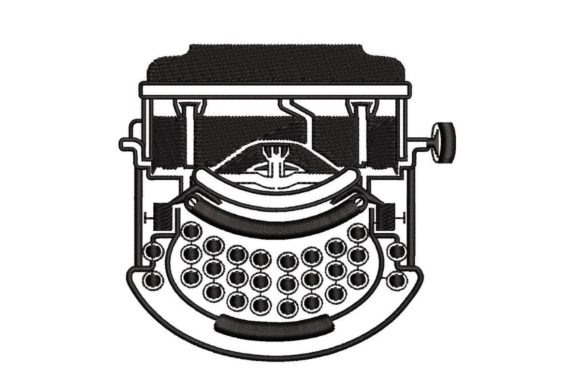
The moment you open the files for Typewriter, the design reveals itself as a characterful piece rather than a generic graphic. In the world of embroidery file creation, capturing the essence of a vintage object like a typewriter is challenging because the detail can easily get lost if the stitch density is too high or the scale is too small. However, this design manages to balance the mechanical complexity of the keys and body with a clean aesthetic that works well for both rustic and modern decor.
The visual appeal suggests a nostalgic vibe, perfect for projects that aim to evoke a sense of storytelling or literary charm. It feels natural on items like kitchen towels where a writer might draft recipes, or on tote bags for book lovers. The design has a personality that elevates a simple garment into a statement piece. For those looking to create personalized gift sets, this motif offers a unique focal point that stands out against plain backgrounds without overwhelming the viewer.
Performance in Real-World Applications
I evaluated Typewriter across a spectrum of common crafting materials to see how it would perform in actual production. One of the primary uses for this design is undoubtedly on custom apparel. Whether you are embroidering a sweatshirt for a cozy winter collection or a denim jacket for a boutique line, the design holds its shape well. The saturation appears consistent, suggesting that the fill stitch areas are optimized to prevent puckering while maintaining texture.
Beyond clothing, I considered its application on home decor items. A tote bag design featuring this motif could become a bestseller during back-to-school seasons or for creative entrepreneurs selling at local markets. The sturdy nature of canvas allows the design to shine, especially when paired with contrasting thread colors. Similarly, for nursery decor, the soft curves and retro feel make it an excellent choice for baby blankets or pillow covers. The design translates beautifully to smaller items as well, such as kitchen towels or aprons, where space is limited but impact is needed.
For sellers focusing on accessories, the versatility extends to caps and patches. While curved cap surfaces can be tricky, the balanced layout of Typewriter suggests it could work well in standard hoop sizes often used for hats. If you are creating embroidered patch products, the clean lines of the design would likely cut cleanly, making it a strong candidate for iron-on or sew-on merchandise.
Navigating Technical Challenges
No review would be complete without addressing the practical hurdles of commercial embroidery. When working with machine embroidery design files, the devil is often in the details. With Typewriter, there are specific elements to keep in mind regarding stitch density and small lettering. If the design includes tiny text or intricate key details, these areas require careful attention during the digitizing phase or when selecting your stabilizer.
Testing on stretchy fabrics like jersey for t-shirts requires a robust stabilization strategy. Without the right backing, the tension from the satin stitch edges can distort the fabric, ruining the crisp look of the typewriter image. For dense stitch areas, I recommend using a tear-away or cut-away stabilizer depending on the final wash requirements. If the product is intended for frequent washing, such as a daily-use apron or a child's blanket, ensuring the stitches are secure and the density is appropriate is vital for longevity.
Another consideration is the color contrast. On dark fabric, the visibility of the design depends heavily on the thread colors chosen. A light-colored typewriter on a black background creates a striking, high-contrast look, while a monochromatic scheme might offer a more subtle, sophisticated aesthetic. Always inspect the small details after stitching to ensure no threads have skipped or tangled, which is crucial for maintaining brand consistency and buyer trust.
Impact on Product Value and Brand Perception
In the competitive landscape of handmade shops and Etsy listings, the quality of the embroidery directly influences customer perception. A poorly executed design can undermine the value of even the most expensive finished product. Conversely, a well-executed finished product featuring Typewriter signals professionalism and care. Buyers are willing to pay a premium for items that show attention to detail, such as neat corners, consistent thread tension, and a design that looks intentional rather than mass-produced.
This design also enhances the "giftability" of your items. A tote bag or a framed pillow cover with a charming typewriter motif makes for an immediate favorite among recipients who appreciate artisanal touches. Furthermore, for creators producing printable mockups to showcase their inventory, the clean lines of the design translate well into digital presentations, helping to drive engagement and sales before the physical item is even shipped.
Essential Preparation Steps
Before committing to a full production run, I strongly advise taking a methodical approach. Start by testing on scrap fabric that mimics the weight and texture of your final material. Check the thread color contrast under different lighting conditions to ensure the design pops as intended. Review the stitch density in the detailed sections; if it feels too heavy, you may need to adjust the settings or choose a lighter stabilizer.
Confirm the hoop size required for the design to ensure it fits your project dimensions comfortably. If you plan to sell finished items commercially, double-check the licensing terms on the Creative Fabrica product page to ensure you have the rights to use the digital embroidery file for resale. Finally, compare light and dark fabric mockups to visualize the final outcome. By verifying these details, you protect your reputation and ensure that every handmade product you release meets the high standards expected by today's crafters and buyers.
Ultimately, the Typewriter design proves to be a versatile and high-quality addition to any library of design assets. Its blend of vintage charm and technical execution makes it suitable for a wide array of projects, from seasonal gifts to year-round boutique merchandise. For anyone looking to expand their offerings with a touch of nostalgia and style, this is a worthy investment of time and resources.