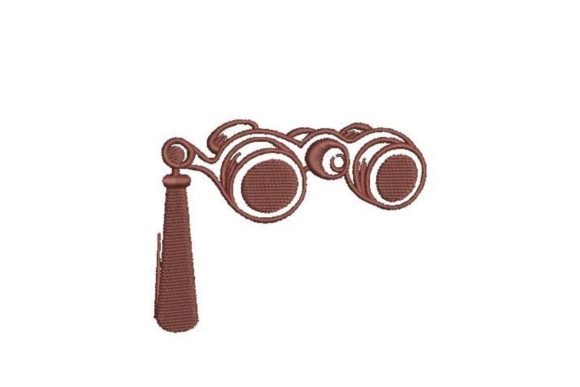
Binoculars Embroidery Design Review
As an embroidery designer who spends weekends setting up booths at local craft fairs and managing a small online shop, I have learned that not all digital files are created equal. Some designs look beautiful on a screen but fall flat in person. Others are too complex to produce efficiently. Today, I am reviewing the Binoculars machine embroidery design, a piece described as a "lovely vintage style" option perfect for jackets and hoodies. But does it hold up when you are trying to create a cohesive collection of handmade products for sale? Let’s dive into the practical realities of turning this digital asset into a physical craft fair product.
First Impressions: The Vintage Aesthetic
The description highlights a "vintage style," which immediately suggests a rustic, nostalgic, or perhaps even farmhouse aesthetic. In the world of handmade goods, nostalgia sells. When I first visualize the Binoculars design, I imagine warm earth tones, maybe some muted greens or browns, and a classic, slightly retro font if text is included. This fits perfectly with the current trend toward outdoor-inspired and camping-themed decor. It feels approachable rather than overly modern or sleek, making it ideal for customers who appreciate artisanal quality and storytelling through their accessories.
This design has the potential to be a standout piece because it taps into the joy of exploration. It isn't just a pair of binoculars; it represents adventure, birdwatching, hiking, and quiet moments in nature. For a booth display, this emotional connection is crucial. You aren't just selling an embroidered patch; you are selling a piece of the outdoors.
Product Applications and Market Fit
When evaluating any embroidery file, I always ask: where will this live? The description mentions jackets and hoodies, which are excellent choices, but let’s expand on how Binoculars can perform across various camping and lifestyle categories.
- Tote Bags: A canvas tote bag featuring this design is a staple at any craft fair. The vintage binoculars motif works beautifully as a central focal point or a smaller chest pocket accent. It appeals to hikers, book lovers, and general shoppers alike.
- Aprons and Tea Towels: For the home cook who loves the outdoors, an apron embroidery of binoculars adds a whimsical touch. Similarly, a tea towel embroidery design brings a farmhouse charm to kitchen decor, bridging the gap between utility and art.
- Caps and Patches: Curved surfaces like baseball caps can be tricky, but a well-balanced design like Binoculars can work if the stitch density is appropriate. It also translates well to an embroidered patch that customers can iron onto their own gear, expanding your market reach.
- Pillow Covers and Small Pouches: These items allow for larger displays of the design. A decorative pillow cover can showcase the full detail of the vintage style, while a small pouch serves as a practical gift item.
For the Etsy seller or digital seller, these applications mean you can create a diverse catalog from a single design asset. You can offer different variations—different thread colors, different fabric backgrounds—to maximize your listing potential without creating new designs from scratch.
Production Practicality and Visual Appeal
From a production standpoint, efficiency is key. If a design takes too long to embroider, your profit margins shrink. While the exact stitch count isn't provided here, vintage styles often rely on satin stitches and simple fill patterns, which tend to be faster to execute than intricate photo-realistic textures. This makes Binoculars a strong candidate for batch production.
Photography is another critical factor. How does the design photograph for online listings? A vintage-style graphic with clear lines and contrasting thread colors usually photographs well against neutral backgrounds like linen, denim, or white cotton. It creates a clean, professional image that stops the scroll on social media platforms. The design should feel premium yet accessible, enhancing the perceived value of the finished product.
Consider the visual hierarchy. Does the design work as a small accent? If so, it allows for versatility. Customers might prefer a subtle logo on a hoodie pocket rather than a massive chest print. Confirming that the design maintains clarity at smaller sizes is essential for maximizing its utility.
Careful-Use Notes and Technical Considerations
No design is without its challenges. As you prepare to turn this into a commercial item, keep the following technical points in mind:
- Stitch Density and Detail: Vintage designs can sometimes include fine details that may get lost if the stitch density is too high or the fabric is too textured. Test the design on scrap fabric to ensure that tiny elements remain distinct.
- Fabric Texture: Materials like heavy denim or thick terry cloth (for towels) can obscure fine stitching. Always check how the fabric texture interacts with the design's line work.
- Hoop Size and Placement: Ensure the hoop size accommodates your intended product. A design meant for a jacket might need resizing for a smaller pouch. Verify the dimensions before committing to production.
- Thread Contrast: Choose thread colors that pop against your base fabric. On dark fabrics, lighter threads or metallic accents can enhance the vintage feel, but they require careful testing to avoid breakage or tangling.
- Stabilizer Selection: Using the right stabilizer is non-negotiable. Cut-away stabilizers are generally best for garments like hoodies to prevent puckering over time, while tear-away might suffice for stable items like tea towels.
Strategic Advice for Sellers
To make the most of this commercial embroidery design, I recommend creating at least one real mockup before mass-producing. This allows you to inspect the final look under natural light, checking for any color mismatches or structural issues. Additionally, compare different fabric colors to see which combination best highlights the vintage aesthetic.
For the small shop owner, consistency is brand identity. If you plan to use Binoculars in a broader collection, ensure the thread palette matches your other designs. This creates a cohesive booth display and strengthens your brand recognition.
Finally, do not forget the legalities. Before selling finished products, confirm the commercial licensing terms of the digital file. Most reputable designers provide clear guidelines on how many units you can sell, but it is vital to protect your business by adhering to these rules.
In conclusion, the Binoculars embroidery design offers a charming, versatile option for craft fair sellers and handmade entrepreneurs. Its vintage appeal aligns well with current trends in camping and rustic decor, and its adaptability across various products—from tote bags to pillow covers—makes it a valuable addition to your design assets. By paying attention to technical details like stitch density and fabric choice, you can transform this simple design into a best-selling handmade product that resonates with customers and drives sales.