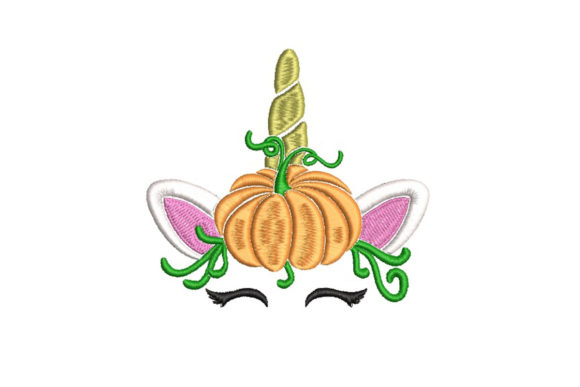
Chef s Hat Embroidery Design Review
As an embroidery designer who has spent years refining digital patterns for small businesses and Etsy shops, I approach every new file with a mix of excitement and skepticism. We are constantly looking for that perfect intersection of charm and commercial viability. Recently, I put the Chef s Hat design through its paces to see if it truly belongs in a curated collection for personalized gifts. This is not just another clipart vector; it is a machine embroidery design intended to bring warmth and personality to everyday items. After testing this embroidery file on various fabrics and imagining its application on customer orders, here is my honest assessment of how this design performs as a handmade product.
First Impressions: Mood and Emotional Appeal
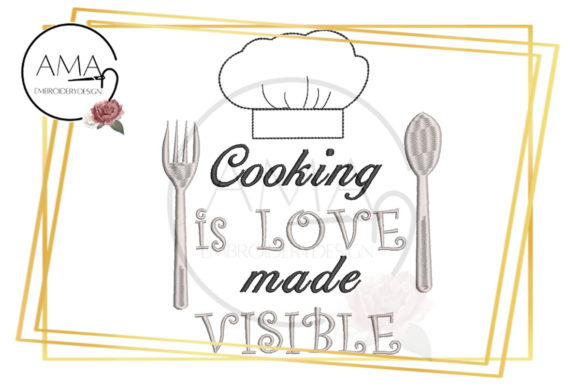
When you first load the Chef s Hat design into your digitizing software, the immediate takeaway is its inviting simplicity. It does not scream for attention with overly complex details but rather whispers a sense of cozy domesticity. The mood is undeniably sweet and playful, yet it retains enough elegance to fit into a modern kitchen aesthetic. For a personalized gift, emotional resonance is everything. This design taps into the universal love of food and home, making it an excellent choice for wedding gift collections or housewarming presents.
The charm lies in its clean lines and balanced composition. It feels handmade even before it is stitched because the spacing allows the fabric texture to breathe. Whether you are targeting baby product creators looking for nursery decor or wedding gift designers crafting keepsakes for newlyweds, this design bridges the gap between cute and sophisticated. It avoids being too childish, which makes it versatile enough for adult recipients while still being adorable for children’s rooms.
Application Scenarios: From Nursery to Kitchen
In my experience, the success of a custom embroidery project often depends on where the design is placed. The Chef s Hat design shines when applied to soft, absorbent, or structured fabrics. Here is how I envision this digital embroidery file performing across different product categories:
- Baby Embroidery: Placed on a muslin swaddle or a cotton blanket, the hat adds a whimsical touch. It pairs beautifully with names embroidered nearby, creating a memorable blanket embroidery piece for baby showers.
- Kitchen Textiles: On a linen embroidered towel or a canvas apron, the design becomes a functional art piece. It suggests that cooking is an act of love, which resonates deeply with buyers looking for kitchen themed decor.
- Nursery Decor: A pillow cover featuring this hat can serve as a centerpiece in a child’s room. The soft curves of the design complement the gentle environment of a nursery.
- Tote Bags: For the Etsy seller focused on practical gifts, stitching this onto a sturdy canvas tote creates a unique shopping bag that stands out from generic store-bought options.
- Wedding Keepsakes: Imagine this design on a monogrammed handkerchief or a guest book cover. It adds a personal flair that guests will appreciate long after the honeymoon ends.
By visualizing these applications, we can see that the Chef s Hat is not limited to one niche. It is a flexible asset for any small shop product line that values storytelling through craft.
Strategic Considerations for Placement
While the design is charming, there are specific areas where caution is required. Embroidery is not a one-size-fits-all solution. When planning your finished product, consider the following constraints:
- Fabric Texture: Highly textured fabrics like heavy terry cloth or boucle can obscure fine details. If you are using a thick embroidered towel, ensure the design is scaled appropriately so the stitches do not get lost in the pile.
- Stretchy Materials: For baby embroidery on stretchy onesies or jersey knits, you must use a high-quality tear-away or cut-away stabilizer. Without proper support, the hoop size tension may cause puckering, ruining the clean look of the hat.
- Dark Fabrics: While the design allows for color discretion, dark fabrics require underlay stitches to prevent the fabric from showing through. Test thread color contrast carefully; light threads on dark backgrounds need sufficient density to pop.
- Curved Surfaces: Applying flat designs to curved items like hats or rounded pillow corners requires advanced hooping techniques. Misalignment can make a beautiful design look amateurish.
Impact on Giftability and Perceived Value
One of the most critical aspects of selling handmade products online is perceived value. Customers are willing to pay a premium when they feel they are buying something special. The Chef s Hat design enhances this perception by adding a layer of customization and care. When a buyer sees a photo of a pillow cover with this design, they imagine the time and skill involved in creating it.
This emotional connection drives engagement. A well-executed printable mockup showcasing the hat on a rustic wooden table next to fresh ingredients can significantly boost click-through rates for an Etsy seller. It transforms a simple commodity into a sentimental object. Furthermore, the ability to choose thread colors allows customers to personalize their order, which increases trust and reduces return rates because the item matches their vision perfectly.
Practical Embroidery Notes for Success
To ensure your commercial embroidery efforts yield professional results, follow these technical guidelines based on my testing:
- Test on Scrap Fabric: Never run a full production batch without a test stitch-out. Check how the design interacts with your specific brand of fabric.
- Check Stitch Density: Verify that the stitch density is appropriate for the fabric weight. Too much density can stiffen a blanket embroidery piece, while too little can look sparse.
- Confirm Hoop Size: Ensure the design fits within your standard hoop dimensions to avoid mid-stitch re-hooping, which can misalign the pattern.
- Review Small Details: Zoom in on the digitized file to check for tiny elements that might merge together during stitching. Clarity is key for recognition.
- Use Proper Stabilizer: Match the stabilizer type to the fabric. Water-soluble stabilizers are great for delicate items, while adhesive backs work well for stable wovens.
- Compare Mockups: Create both light and dark fabric mockups to visualize how the thread colors will appear in real-world lighting.
- Check Licensing: Before selling finished products, confirm the commercial licensing terms of the digital embroidery file. Some designs allow unlimited sales, while others have restrictions.
Final Thoughts
The Chef s Hat is a versatile, emotionally resonant design that fits seamlessly into the world of personalized gifts. Its blend of sweetness and sophistication makes it appealing to a wide audience, from new parents to culinary enthusiasts. By paying attention to fabric selection, stabilizer usage, and presentation, you can transform this embroidery design into a best-selling item. It is a testament to the power of thoughtful design in the handmade market. As you plan your next collection, keep this design in mind for its ability to turn ordinary items into cherished memories. Whether you are a seasoned pro or just starting out, the Chef s Hat offers a reliable foundation for creating meaningful, high-quality custom embroidery pieces that customers will love.