Kitchen Embroidery Design Review
As an embroidery seller who has spent years curating digital assets for Etsy and small boutique shops, I know that the difference between a listing that gets ignored and one that converts often comes down to two things: visual appeal and practical application. When browsing Creative Fabrica for new additions to my shop’s inventory, I am constantly looking for designs that offer versatility, charm, and commercial viability. Today, I am evaluating a specific design titled Kitchen. At first glance, the title is simple, but in the world of handmade goods, simplicity can be a powerful selling point if executed correctly.
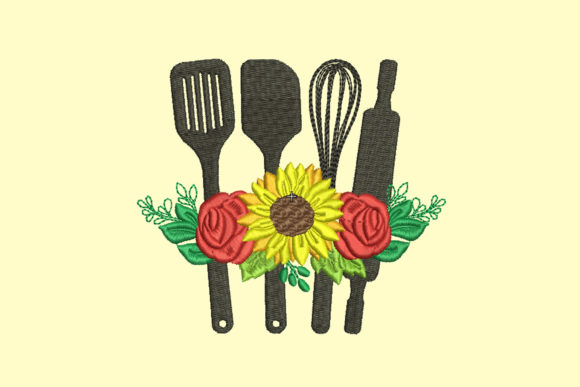
This machine embroidery design promises to make spending time in the kitchen more pleasurable, suggesting a focus on home decor and functional textiles like aprons, napkins, and tea towels. For any Etsy seller or craft business owner, understanding how to position such a design is crucial. It is not just about stitching a pattern; it is about creating a product experience that resonates with buyers looking for personalized gifts and cozy home aesthetics.
Visual Personality and Aesthetic Fit
When I evaluate a digital embroidery file, the first thing I consider is its visual personality. The description highlights that this is a "fresh and beautiful" addition to the kitchen space. This language suggests a design that leans towards modern, clean, and perhaps slightly rustic or farmhouse chic, rather than overly ornate or vintage baroque styles. In today’s market, there is a strong demand for items that feel curated yet approachable.
I imagine Kitchen having a balanced composition that works well as a focal point without overwhelming the fabric. It likely strikes a tone that is both cute and premium, making it suitable for a wide range of demographics. Whether you are targeting young couples setting up their first home or seasoned cooks who appreciate aesthetic organization, a design that feels fresh and inviting is key. It avoids being too childish or too serious, landing squarely in that sweet spot of everyday elegance.
This aesthetic makes it incredibly versatile. It can easily fit into a minimalist collection or stand out as a statement piece in a bohemian-themed shop. The beauty of a design described as "fresh" is its ability to remain relevant season after season, unlike holiday-specific themes that expire quickly. This longevity is vital for small shop owners looking to build a sustainable catalog.
Product Applications and Commercial Potential
The true value of a Creative Fabrica embroidery design lies in its adaptability. Based on the suggested uses—aprons, napkins, and tea towels—the potential product lines are extensive. Here is how I would strategically integrate Kitchen into a handmade product portfolio:
- Kitchen Towel Embroidery: This is perhaps the most obvious and high-demand application. Tea towels are affordable impulse buys that serve as excellent entry-level products. They are easy to ship, require less material cost, and allow customers to personalize their cooking space. A well-stitched Kitchen design on a high-quality linen or cotton towel can command a premium price point.
- Custom Apparel and Aprons: Moving beyond linens, this design translates beautifully to chef-style aprons or casual pinafores. For custom apparel, the design adds a touch of personality to what is otherwise a utilitarian garment. It appeals to home bakers and cooking enthusiasts who view their kitchen tools as extensions of their personal style.
- Baby Embroidery and Nursery Decor: While titled for the kitchen, the "fresh and beautiful" nature of the design allows for creative repurposing. It could work wonderfully on baby blankets or burp cloths, especially if paired with soft pastel thread colors. Parents love unique, non-generic designs for their little ones, and a subtle kitchen theme can evoke feelings of warmth and family nourishment.
- Tote Bag Design: Canvas tote bags are a staple in the craft fair circuit. Using Kitchen on a sturdy canvas bag creates a perfect gift for food lovers. It is practical, durable, and visually appealing, making it a strong candidate for seasonal markets and online listings alike.
- Personalized Gifts and Patches: The design’s clarity makes it ideal for embroidered patches that can be ironed or sewn onto various items. Think backpacks, denim jackets, or even pet collars. Personalization options, such as adding names or dates alongside the design, significantly increase perceived value for the end consumer.
Buyer-Focused Value and Marketing Strategy
From a marketing perspective, Kitchen offers several advantages that can help boost sales. First, it enhances the "giftable" nature of your products. Kitchen items are perennial favorites for housewarmings, weddings, and holidays. By offering a design that explicitly celebrates the kitchen, you tap into these emotional buying triggers.
Furthermore, a clean and attractive design makes product photography easier. When you photograph your finished goods for printable mockups or social media previews, a well-executed embroidery design stands out against neutral backgrounds. It catches the eye in crowded search results on Etsy or Pinterest. If the design is legible and aesthetically pleasing at thumbnail size, it increases click-through rates, which is essential for driving traffic to your shop.
Additionally, emphasizing the "pleasurable" aspect of kitchen time in your product descriptions can create an emotional connection. You are not just selling a stitched logo; you are selling the joy of baking cookies on a Sunday morning or hosting a dinner party with stylish, handmade touches. This narrative helps differentiate your commercial embroidery offerings from mass-produced alternatives.
Practical Seller Notes and Best Practices
Before adding Kitchen to your production queue, there are several technical and legal steps every savvy seller must take. Quality control is paramount to maintaining a positive reputation and reducing returns.
- Test Stitch-Outs: Never list a product based solely on a digital preview. Always run a test stitch-out on the actual fabric you intend to sell. This reveals how the design interacts with the material grain and texture.
- Check Stitch Density and Hoop Size: Ensure the stitch density is appropriate for your chosen fabric. Too dense, and the fabric may pucker; too sparse, and the design may look thin. Verify the required hoop size to ensure it fits comfortably on your target products, whether it is a standard tea towel or a larger apron panel.
- Stabilizer Selection: Choose the correct stabilizer (cut-away vs. tear-away) based on the fabric weight and stretch. This ensures durability and prevents distortion during washing.
- Thread Color Options: Experiment with different thread colors to see which combinations best highlight the design’s details. Offering multiple colorways can attract a broader audience.
- Licensing Verification: This is critical. Before selling any finished goods, review the licensing terms on the Creative Fabrica product page. Confirm that you have the right to use the design commercially. Different licenses may apply to digital files versus physical products, so clarity here protects your business from legal issues.
- Readability Check: Zoom out on your computer screen to simulate how the design will appear in an Etsy listing thumbnail. If details get lost at small sizes, consider simplifying the presentation in your photos or ensuring the design scales well.
In conclusion, the Kitchen embroidery design presents a strong opportunity for sellers looking to expand their home decor and textile collections. Its fresh aesthetic, combined with practical applications across various product types, makes it a valuable asset for any embroidery business. By following proper testing protocols and leveraging its giftable appeal, you can create compelling listings that resonate with buyers and drive growth for your craft business.