Magic Wand Embroidery Design Review
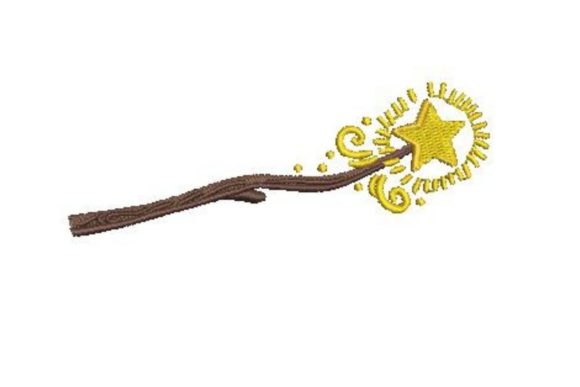
As an experienced embroidery designer who has reviewed thousands of digital files for commercial application, I approach every new design with a mix of creative enthusiasm and technical skepticism. When Magic Wand landed on my desk, my first thought was not about children’s toys, but about its potential as a versatile asset for small business merchandise. The product description promises to "bring some magic" into a kid’s life through stitching on toys, hats, socks, and accessories. While the target audience might skew toward parents and crafters, the visual language of this design holds significant weight for entrepreneurs looking to add a touch of whimsy to their brand identity.
First Impressions: Professionalism Meets Whimsy
The initial aesthetic of the Magic Wand design strikes a balance between playful and polished. For a small business owner—whether running a boutique bakery, a handmade jewelry shop, or a creative studio—the ability to convey charm without sacrificing professionalism is crucial. This machine embroidery design does not feel overly childish; instead, it offers a clean, modern silhouette that can be adapted for various brand personalities. Whether your brand leans towards rustic, elegant, or bold, the wand serves as a strong focal point.
From a branding perspective, the wand symbolizes transformation and creativity. Using this embroidered patch on branded merchandise can subtly communicate that your products are crafted with care and a bit of enchantment. It elevates the perceived value of the finished product, turning a simple tote bag or apron into a memorable piece of marketing collateral. However, designers must remember that while the concept is magical, the execution relies entirely on stitch quality and fabric choice.
Real-World Business Applications
One of the strongest use cases for the Magic Wand design is in the realm of custom apparel and promotional items. Small businesses often struggle to find unique design assets that stand out in a crowded market. This embroidery file offers a distinct alternative to generic logos or text-based designs. Here is how it performs in practical scenarios:
- Embroidered Patches: The design translates exceptionally well when digitized as an embroidered patch. These patches can be ironed or sewn onto denim jackets, backpacks, or client gift bags. They serve as excellent conversation starters at trade shows or pop-up markets.
- Apron Embroidery: For cafes, bakeries, or florists, adding a subtle wand accent to the chest pocket or hem of a work apron adds a layer of personality. It signals to customers that the staff takes pride in their craft, enhancing customer trust and engagement.
- Cap Embroidery: The compact nature of many wand designs makes them ideal for cap embroidery. A small, centered wand on a structured baseball cap creates a clean, professional look that aligns well with streetwear trends or casual retail branding.
- Tote Bag Design: Canvas tote bags are a staple for handmade brands. Stitching the wand on the front panel or near the handle attachment points provides a durable, high-quality finish that survives frequent washing and handling.
- Product Packaging Accents: Beyond apparel, consider stitching the design onto fabric tags attached to product packaging. This attention to detail reinforces brand consistency and elevates the unboxing experience for Etsy sellers and online retailers.
Strategic Brand Identity Integration
Incorporating the Magic Wand into your design assets requires strategic thinking. It should not just be a decorative element but a part of your visual identity system. If your brand uses soft pastels, ensure the thread colors complement the existing palette. If your brand is bold and graphic, opt for high-contrast thread colors to make the design pop. Consistency is key; using the same wand motif across different mediums (apparel, packaging, social media graphics) builds recognition over time.
Furthermore, this design can enhance handmade presentation. Customers today value authenticity and craftsmanship. A professionally stitched wand demonstrates that you invest in quality materials and skilled production, which directly impacts buyer engagement and repeat purchases.
Technical Considerations and Risk Management
While the artistic potential is clear, an experienced designer knows that not all designs translate perfectly to every surface. There are specific areas where the Magic Wand design requires careful evaluation before committing to full-scale production.
- Small Patch Sizes: If you plan to scale the design down for tiny accents, inspect the fine details. Complex outlines or thin lines may merge together if the stitch density is too high or the final size is too small. Always test at the intended output size.
- Curved Surfaces: Applying embroidery to curved surfaces like caps or sleeves can distort the design. Ensure the digitizing allows for proper tension adjustment to prevent puckering, especially on the rounded front of a cap.
- Fabric Texture: The design may behave differently on textured fabrics like heavy canvas versus smooth jersey. On highly textured materials, fine details might get lost. Choose stable fabrics for the best results.
- Dark Uniforms: Contrast is critical. On dark uniforms, ensure the thread colors provide sufficient visibility. Light threads may require a backing stabilizer or underlay stitches to prevent show-through.
- High Wash Frequency: For items like work shirts or aprons that undergo frequent laundering, verify the durability of the stitches. Use proper stabilizer to support the fabric and prevent distortion over time.
Designer Notes for Production Success
To ensure the Magic Wand meets commercial standards, follow these practical steps before finalizing your order:
- Test in Black and White: Convert the design to black and white to check the balance of negative space and solid fills. This helps identify any awkward spacing or overcrowding issues.
- Check Hoop Size: Confirm that the hoop size accommodates your intended garment dimensions. A design that is too large for a standard hoop may require re-digitizing or multi-hoop techniques.
- Thread Color Contrast: Inspect the thread color choices against your actual fabric swatches. Screen colors can differ significantly from real-world appearance.
- Create a Printable Mockup: Before investing in physical samples, create a printable mockup to visualize the design on different products. This saves time and resources during the approval process.
- Confirm Commercial Licensing: Most importantly, verify the commercial licensing terms. Ensure you have the right to sell products featuring this design. Do not assume standard personal-use licenses cover business merchandise.
Final Verdict for Small Business Owners
The Magic Wand embroidery design is a valuable addition to any small business’s toolkit, particularly for those in the creative, retail, or service sectors. Its blend of whimsy and professionalism makes it suitable for a wide range of applications, from branded patches to custom apparel. However, success depends on rigorous testing and attention to technical details.
By treating this design as a strategic brand asset rather than just a decorative stitch, you can enhance your product value and strengthen your brand identity. Remember to check the specific stitch count, file format, and license terms provided by the creator, as these details are crucial for seamless integration into your production workflow. With proper planning and execution, the Magic Wand can indeed bring a touch of magic to your small business merchandise, delighting customers and setting your brand apart in a competitive market.