Mask: The Bold Embroidery Design for Craft Fair Success
As an experienced embroidery designer who has spent countless weekends setting up booths at local markets and crafting fairs, I know that the difference between a product that sits on a table and one that sells out by noon often comes down to the design itself. When I first laid eyes on Mask, a machine embroidery design intended to make clothes and accessories stand out, my mind immediately went to the practical realities of selling handmade goods. In a sea of generic patterns, does this design have the punch it needs? Can it translate well from a digital file into a physical item that customers will want to take home?
First Impressions and Visual Appeal
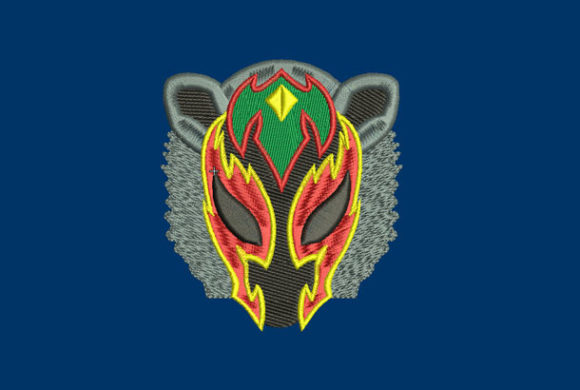
The title "Mask" combined with the promise of a unique look suggests something bold and perhaps slightly mysterious or edgy. For a craft fair environment, where you are competing for attention in a split second, this design feels like it has the potential to be a focal point. It doesn't sound like a subtle, fading farmhouse style; instead, it implies a statement piece. Whether it is interpreted as modern, rustic, or even playful depends on how you execute the thread colors, but the core concept is strong enough to anchor a collection.
In the context of a handmade shop or an Etsy listing, visual appeal is everything. A design named Mask naturally draws the eye because it evokes curiosity. If executed correctly, it could work as a premium accent on a tote bag or a central feature on an apron. However, the description notes that it is ideal for projects needing to stand out, which tells me that this design relies on contrast and clarity. It is not a background texture; it is the star of the show.
Product Versatility for Market Sellers
One of the most critical factors for any embroidery file I review is its versatility across different products. When preparing a display for a weekend market, I need items that cover various price points and customer interests. Here is how Mask performs across key categories:
- Tote Bags and Market Bags: This is arguably the best use case for a standout design. A large, clear embroidery on a canvas tote is a classic crafter product. The design can serve as a small chest logo or a large back print, making it highly visible when customers walk past your booth.
- Aprons and Kitchen Towels: For sellers targeting home cooks or foodies, apron embroidery and tea towel embroidery are staples. A design with a name like Mask adds a touch of personality to kitchen linens. It works particularly well if the fabric texture allows the stitches to pop without getting lost in the weave.
- Caps and Patches: If the design scales well, it could be adapted into an embroidered patch for jackets or hats. However, caps require careful consideration of curvature, which we will discuss later.
- Pillow Covers and Small Pouches: These smaller items are perfect for impulse buys. A digital embroidery file that translates cleanly to a small pouch can be a high-margin add-on during checkout.
For Etsy sellers and boutique makers, having a design that works across such a wide range of items means you can create a cohesive brand identity. You aren't just selling one type of item; you are selling a lifestyle aesthetic centered around this unique motif.
Production Practicality and Batch Selling
When I am planning for a busy Saturday market, efficiency is key. I need to know if Mask is easy to produce in batches. Does the design feel repeatable? Based on the description emphasizing uniqueness, I suspect this design has distinct elements that might require precise placement. This is excellent for perceived value but requires attention to detail.
To ensure success, you must test the design on scrap fabric before committing to your final inventory. Check the stitch density carefully. Dense areas can cause puckering, especially on lightweight fabrics, while sparse areas might look unfinished on thick materials. If the design includes tiny details or small lettering, remember that these can get lost on textured towels or curved cap surfaces. Always inspect the finished product under natural light to ensure the thread colors provide enough contrast against the fabric.
Another crucial step is creating at least one real mockup. While a printable mockup is useful for online listings, nothing beats holding a physical sample. Show your customers the quality of the stitching. A small shop product shines when the craftsmanship is evident. If the design looks crisp and professional, customers are more likely to trust the quality of the entire item.
Strategic Considerations for Dark Fabrics and Textures
Selling at craft fairs often means dealing with a variety of fabric types. One common pitfall is using a design on dark fabric without checking the underlay or thread coverage. If Mask features fine lines or intricate details, they may lose clarity on a black tote bag unless you use a stabilizer specifically designed for heavy-duty applications.
Furthermore, consider the hoop size required. Some designs are optimized for larger hoops, meaning they won't fit well on smaller items like face masks (ironic given the title) or small pouches without resizing. Resizing too much can distort the aspect ratio, making the design look stretched or squashed. Always confirm the recommended hoop size before starting production to avoid wasting expensive materials.
Maximizing Sales Through Visual Storytelling
How does Mask affect your booth's overall strength? A strong design acts as a conversation starter. When a customer sees a beautifully embroidered item, they ask questions. They wonder about the process, the time involved, and the story behind the art. This engagement is vital for commercial embroidery businesses looking to build a loyal following.
If the design feels premium, you can justify a higher price point. Customers are willing to pay more for items that look handcrafted and unique rather than mass-produced. By showcasing embroidery design assets that are truly distinctive, you elevate your brand above competitors selling generic prints. Whether you are selling handmade gifts or craft fair products, the narrative of "unique" and "stand out" should be woven into your marketing copy and booth signage.
Essential Designer Notes Before You Sell
Before you rush to produce hundreds of units, there are technical checks every professional designer follows. First, verify the embroidery file formats included. The description mentions multiple formats, which is great for compatibility with different machines, but you must ensure your specific software supports them.
Secondly, review the commercial licensing terms. If you plan to sell finished products featuring Mask, you need explicit permission to do so. Do not assume that buying a digital file grants unlimited rights for resale. Confirm the license details to protect your business.
Finally, always compare fabric colors. A design that looks vibrant on white might disappear on navy blue. Test your finished product on at least three different fabric textures to see how the fabric texture interacts with the stitch pattern. This due diligence ensures that what you bring to the market is flawless.
In conclusion, Mask appears to be a powerful addition to any crafter's arsenal. Its potential to stand out makes it ideal for tote bag design, apron embroidery, and other high-visibility items. With careful testing and strategic presentation, this design can help you create memorable handmade products that resonate with buyers at craft fairs and online shops alike.