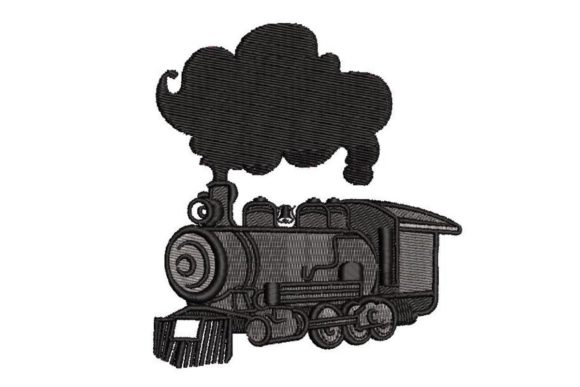
Steam Train Embroidery Design Review
As an experienced embroidery designer, I spend my days evaluating digital assets not just for their artistic merit, but for their viability in commercial production. When a client or a small business owner brings me a design file, my first question is always: Will this hold up on the shop floor? Today, I am reviewing the Steam Train machine embroidery design, a piece categorized under Transportation and Embroidery that promises a nostalgic aesthetic. This review is tailored for small business owners, embroidery shops, apparel decorators, handmade brands, Etsy sellers, merch creators, product designers, crafters, and digital embroidery file buyers who are looking to add character to their branded merchandise.
First Impressions: A Nostalgic Brand Statement
The Steam Train design immediately evokes a sense of journey, heritage, and rugged reliability. The description highlights its suitability for travelers "no matter your way of travel," which suggests a broad appeal that transcends specific niches. Visually, the design likely carries a rustic, classic, or vintage personality. In the world of branding, nostalgia is a powerful tool. It signals authenticity and craftsmanship—two qualities that customers increasingly value in the age of mass-produced goods.
For a small café, boutique, or creative studio, this design does more than decorate; it tells a story. It suggests that the brand values tradition and quality. Whether applied to a leather satchel, a canvas tote bag, or a heavy-duty work apron, the Steam Train motif adds a layer of visual weight and emotional connection. It feels premium yet approachable, making it an excellent choice for businesses that want to appear established and trustworthy without being overly corporate.
Real-World Business Applications
The true test of any embroidery file is its versatility across different products. Here is how the Steam Train design performs in real-world commercial scenarios:
- Embroidered Patches: This design shines as a standalone patch. For pet brands, local tour operators, or handmade shops, a Steam Train patch can serve as a badge of membership or affiliation. It works exceptionally well on denim jackets, backpacks, and beanies, offering a tactile element that prints cannot replicate.
- Staff Uniforms and Aprons: In the hospitality industry, specifically for bakeries, coffee roasters, or artisanal food producers, this design adds a touch of charm to staff uniforms. Placed on the chest or back of an apron embroidery project, it reinforces brand identity while maintaining a professional appearance. It is less aggressive than modern logos and invites conversation with customers.
- Cap Embroidery: The Steam Train design is well-suited for cap embroidery, particularly on structured caps like trucker hats or baseball caps. The horizontal nature of many train motifs allows for easy adaptation to the curved front panel of a cap, creating a cohesive look that stands out at trade shows or markets.
- Tote Bag Design: For eco-conscious brands and bookstores, placing this design on a canvas tote bag elevates the perceived value of the item. It transforms a simple utility bag into a statement piece, encouraging repeat exposure as customers carry it through the city.
- Product Packaging Accents: Beyond apparel, consider using this design as a branded seal on packaging boxes or tags. It adds a handmade presentation feel that enhances the unboxing experience for Etsy buyers and direct-to-consumer customers.
Strategic Considerations and Limitations
While the Steam Train design has strong potential, there are critical areas where caution is required. As a designer, I must advise against using this asset blindly without testing.
Small Patch Sizes and Cap Fronts: If you intend to use this design on very small patches (under 2 inches) or tight spaces on a cap front, details may become lost. Fine lines and intricate shading typical of older-style designs can merge together if the stitch density is too high or the size is too small. Always ensure that the key elements of the train remain legible at the intended scale.
Curved Surfaces and Fabric Texture: Embroidering on textured fabrics, such as heavy tweed or raw denim, can distort the design. The needle penetration may cause the fabric to pucker if not stabilized correctly. Similarly, applying this to curved surfaces requires precise digitizing to prevent distortion. Dark uniforms also pose a challenge; if the design relies on light thread colors for contrast, it may lack visibility unless a backing or underlay is used effectively.
Frequent Washing: For items like work shirts or kitchen aprons that undergo frequent industrial washing, the durability of the design is paramount. Ensure that the stitch density is sufficient to withstand abrasion but not so dense that it becomes stiff and uncomfortable. Loose threads or poor tension settings can lead to premature wear, damaging the brand’s reputation for quality.
Impact on Brand Identity and Customer Trust
Incorporating the Steam Train design into your small business merch strategy directly influences customer perception. A well-executed embroidered logo conveys professionalism and attention to detail. It signals that you care about the tangible aspects of your brand. Customers often associate high-quality embroidery with higher product value, allowing you to command better prices for your goods.
Furthermore, consistency is key. If the Steam Train design is used across various touchpoints—from social media graphics to physical products—it creates a unified brand identity. This visual consistency builds recognition and trust over time. When a customer sees the same familiar motif on a tote bag, a hat, and a menu, it reinforces the memory of your brand and encourages loyalty.
Practical Designer Notes for Production
Before committing to a large production run, follow these essential steps to ensure the best outcome:
- Test in Black and White: Convert the design to monochrome to check its structural integrity. If it loses impact without color, it may rely too heavily on shading rather than shape.
- Check Small Scale Legibility: Digitize a small version of the design to see if it remains clear when reduced to patch size. Avoid designs with tiny lettering or thin outlines that may break during stitching.
- Review Thread Color Contrast: Select thread colors that provide strong contrast against your target fabric. Light threads on dark fabric or vice versa ensures readability and visual pop.
- Inspect Spacing and Density: Look for areas where stitches might overlap excessively or leave gaps. Proper spacing prevents puckering and ensures a smooth finish.
- Confirm Hoop Size: Verify that the design fits within your standard hoop sizes to avoid unnecessary trimming or re-hooping, which increases labor costs.
- Test on Real Fabric: Never skip the sample run. Stitch the design on the actual fabric you plan to use, including the appropriate stabilizer. This reveals issues with tension, fabric shift, or backing residue that digital previews cannot show.
- Create a Printable Mockup: Use a printable mockup to visualize the design on finished products before investing in materials. This helps in presenting concepts to clients or stakeholders for approval.
- Compare Design Assets: Place the Steam Train design alongside other design assets in your collection to ensure it aligns aesthetically with your overall brand palette.
- Confirm Commercial Licensing: Most importantly, verify the commercial licensing terms of the digital embroidery file. Ensure you have the right to use the design on products you intend to sell, avoiding legal complications down the line.
By treating the Steam Train design as a strategic business asset rather than just a decorative element, you can maximize its potential. It offers a blend of classic charm and functional versatility that can enhance your handmade product offerings and strengthen your market presence. Take the time to test, refine, and deploy it wisely, and it will serve as a reliable ambassador for your brand.